Ruby Tuesday wants customers to remember why they fell in love with the brand in the first place.
The casual-dining chain has been serving guests since 1972, building a reputation around its Garden Bar, burgers, ribs, and familiar American comfort food. But more than five decades of history have also brought challenges, including a crowded menu, inconsistent execution, and a reliance on discounts to attract customers. The concept also notably filed for bankruptcy in 2020 and has shuttered hundreds of restaurants over the past decade.
Now, the company, with around 160 U.S. locations, according to its website, is making significant changes to its food, pricing, marketing, and restaurant experience in an effort to reconnect with longtime customers and introduce itself to a new generation.
CMO Kevin FitzPatrick says the changes respond to mounting financial pressures on consumers and the company’s need to deliver a more consistent dining experience.
The previous menu had grown substantially, partly because of limited-time promotions that introduced numerous dishes. That expansion created operational complexity and made it more difficult for customers to navigate the offerings.
Introduced nationwide November 17, the new menu contains approximately 25 percent fewer items and puts greater focus on the company’s signature categories.
The decision was informed by sales data, customer reviews, and conversations with restaurant employees. FitzPatrick says the company identified dishes that contributed relatively little to sales and could be eliminated without significantly limiting customers’ choices.
Some pasta and chicken selections were removed, allowing employees to concentrate on preparing fewer dishes consistently and improving food quality.
“I’ve done a lot of consumer research in my past, but like the biggest source of consumer research is sales data. Customers are voting with their wallets, and we had a lot of items that just didn’t have a lot of a lot of reps,” FitzPatrick says.
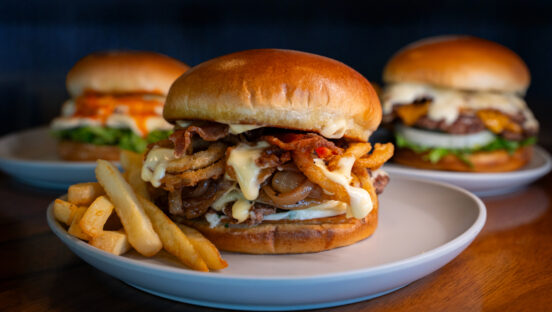
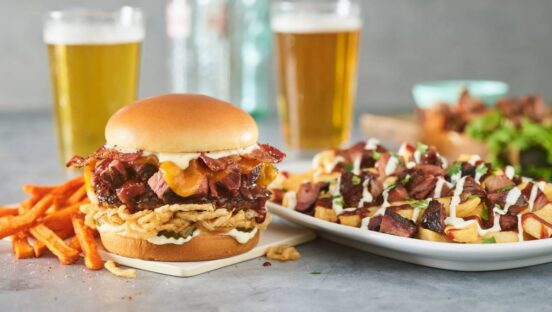
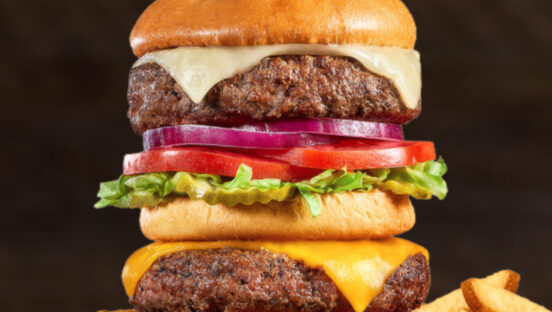
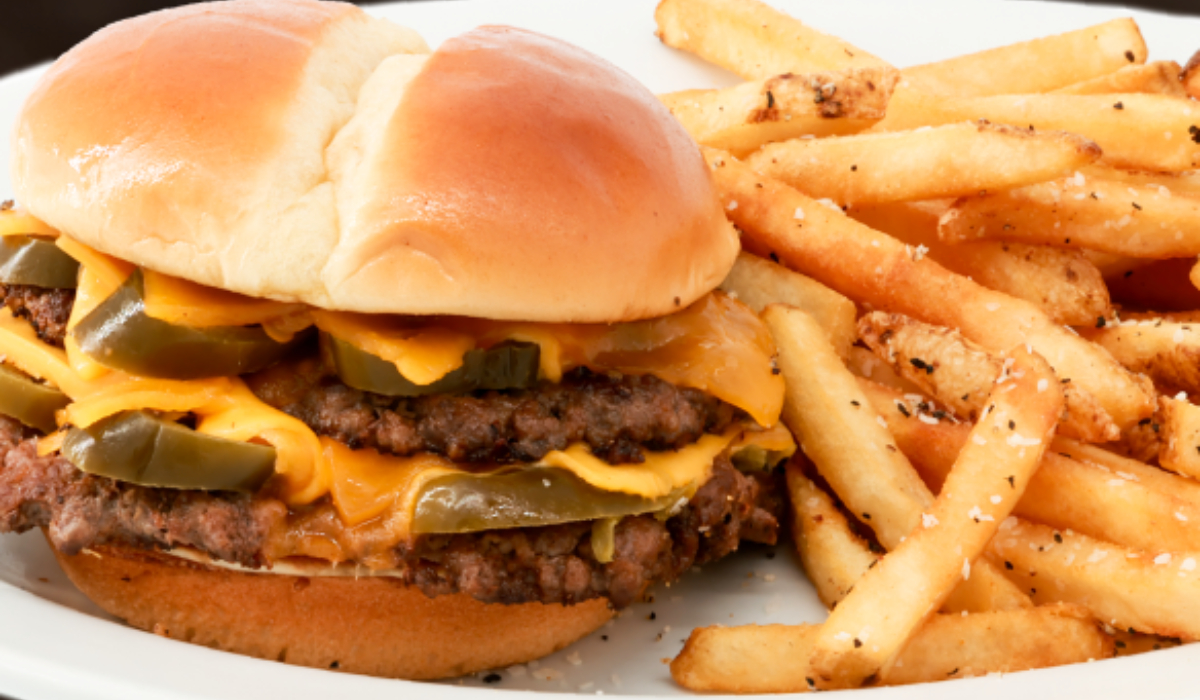
Ruby Tuesday expanded its burger selection with the Jalapeno Smashed and Garlic Parmesan Smashed burgers and brought back the Colossal Burger, a longtime customer favorite.
The Colossal Burger had previously returned as a limited-time offering in May 2022, but customers continued requesting it after the promotion ended.
The chain also upgraded its chicken sandwiches and entrées to feature eight-ounce chicken breasts and introduced appetizers such as Pretzel Bites, Loaded Fries and Tots, and a Dip Trio. Other signature dishes, including the Hickory Bourbon Salmon and fall-off-the-bone ribs, received greater prominence.
The chain previously relied on rotating daily promotions and coupons, a strategy that appealed to its established customer base but required guests to keep track of which offers were available on particular days.
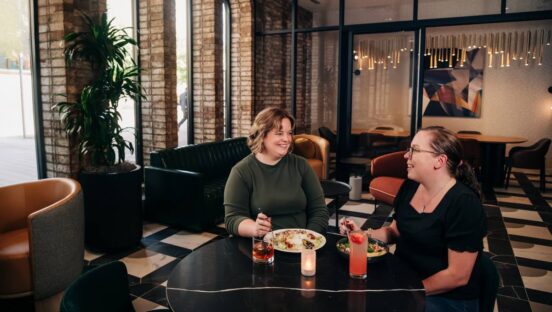
Its new Everyday Fresh Meals platform replaces that complexity with consistent pricing seven days a week. Introduced nationally in November, the program features 13 entrées across four price tiers of $9.99, $11.99, $14.99, and $17.99. Each meal includes an entrée, unlimited trips to the Garden Bar, and a bottomless beverage.
Selections range from burgers and chicken sandwiches to Cajun Chicken Pasta and a half rack of ribs. The company believes the combination offers a compelling alternative to dining at home, especially as consumers face elevated grocery prices and other household expenses.
“It’s on the menu, so it’s easy for them to understand the value they’re getting, and know that they can get it anytime they want, not just on Tuesdays, not just on Thursdays, as an example,” FitzPatrick says.
Early customer response has been positive, according to FitzPatrick. The company is beginning to see repeat visits tied to the platform, and some customers have reported using their savings to purchase desserts.
Feedback has already prompted one adjustment. Guests who find the unlimited Garden Bar too much food can now substitute an additional side with their meal.
Beginning in June and July, Ruby Tuesday expanded its Garden Bar selection with additional ingredients, the return of previously available items, and more prepared salads. The improvements include eggs, spinach salad, and premium ingredients that allow guests to create more combinations.
Internally, the company referred to the improvements as Garden Bar 2.0. FitzPatrick sees the Garden Bar as an important competitive advantage because few casual-dining competitors offer a comparable experience.
Ruby Tuesday plans to reach out to lapsed customers over the coming months, communicating the improvements and inviting them to return. The company also wants to attract younger diners and families who may recognize the brand primarily through childhood experiences.
“A lot of the feedback we always get from people, it’s like ‘Oh you know I used to go there with my grandma,’ and it’s like OK, well, we’re still here and we want to make sure that people understand we still offer incredible food, incredible value now with Everyday Fresh. You can save a ton of money for you and the family, so it’s a combination of all the above,” FitzPatrick says.
The previous menu relied extensively on food photography, with a crowded layout that made certain categories difficult to navigate. The replacement features cleaner organization, updated typography, modern colors, and elements drawn from the company’s history.
Ruby Tuesday also brought back its older Foxtail logo and added handwritten recommendations from a fictional character named Ruby, incorporating nostalgia and personality into the updated presentation.
Additional changes are planned for 2027, although FitzPatrick says the company does not want to reverse its menu simplification by introducing another large collection of entrées.
Future seasonal offerings will concentrate on additions that complement the existing menu, including Garden Bar ingredients and dressings, appetizers, desserts, and alcoholic and nonalcoholic beverages.
The Everyday Fresh Meals platform will continue evolving as the company evaluates which entrées customers prefer and how different price tiers perform.
Ruby Tuesday also plans to incorporate more influencer- and creator-led content into its advertising to connect with younger consumers.
The company recently completed remodels at two locations, including a restaurant in Florida’s Treasure Coast region and another at Philadelphia International Airport. The improvements are part of an ongoing effort to update booths, flooring, paint, and other elements of the dining environment.
“We want to make sure that we’re providing value for for what we’re giving them, we’re exceeding expectations, and the guest walks away satisfied. From the standpoint of, what you don’t get in a lot of casual dining these days is, man, I feel like I’m leaving full. Everyday Fresh Meal speaks directly to that. I don’t want you leaving empty bellied. We want to make sure you leave full and you feel like you got the value from it,” FitzPatrick says.