Red Robin is finding its footing again, but the casual-dining chain sees an opportunity to turn its improving sales momentum into something more sustainable by giving customers new reasons to visit.
After spending much of the past year rebuilding operations, introducing value offerings, and restructuring its finances, the burger chain is turning its attention to dinner, family dining, and menu innovation in 2027.
The strategy follows a third quarter that delivered Red Robin’s strongest same-store sales performance in more than three years. Comps increased 3.9 percent, outperforming the industry by 70 basis points, according to Black Box Intelligence. Traffic declined 1.7 percent, but the company gained market share in areas where it competes with other restaurants.
READ MORE:
Red Robin Moves Forward with $96 Million Refranchising Strategy
Red Robin Gains Ground as Traffic Turns Positive
Red Robin Builds Stability as Traffic, Margins, and Guest Engagement Improve
Red Robin’s Big Yummm value platform, introduced in July 2025, has helped attract price-conscious customers, especially during lunch. The company now wants to build on that success with new offerings targeting dinner and family occasions.
“Going forward, you’ll see us put more focus on dinner and family occasion. This is a part of our business with room to grow and an area where our guests see a natural fit for Red Robin,” CEO David Pace said during the company’s Q3 earnings call.
The chain is testing promotions and menu offerings aimed at families, with the results informing its plans for 2027. Its culinary pipeline includes potential additions across appetizers, salads, entrees, burgers, and beverages.
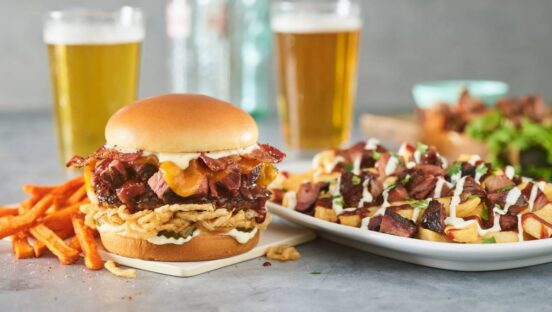
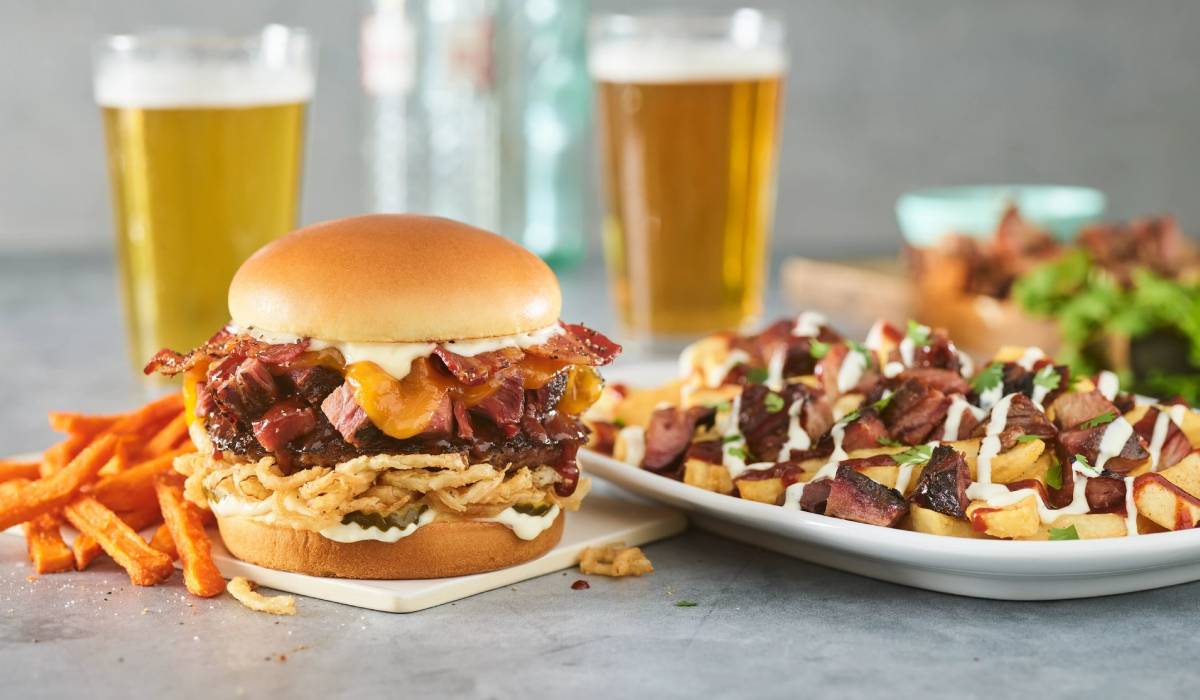
Red Robin is also pursuing a barbell strategy that combines affordable meals with premium offerings. The company recently introduced its Prime Rib Stack Burger as a holiday special and expanded its Big Yummm platform with a $16.99 tier, giving customers opportunities to trade up.
That strategy helped lift average check 5.6 percent during the third quarter, including a 3.4 percent increase from pricing and a 2.2 percent benefit from menu mix and discounts. The company also benefited from lapping the initial discounts associated with the Big Yummm launch.
Despite the increase, Red Robin is exercising caution with additional pricing after previous increases affected its competitive positioning. The chain took one pricing action earlier this year and is evaluating its options for 2027.
“As I look at ’27, I want to be equally cautious and try and figure out how can I get us positioned back to where I want to be within the competitive set of the industry, but still cover inflation, still make sure we’ve covered our cost structure and protected it,” Pace said.
The company is also adjusting its marketing strategy under Scott Hudler, who joined as CMO in September, succeeding Russ Klein.
Selling expenses increased to $9.4 million in the third quarter from $6.8 million a year earlier, driven by investments in the Big Yummm platform and personalized marketing. Pace expects spending in 2027 to be similar to or slightly below current levels, with more dollars directed toward consumer-facing advertising instead of internal marketing costs.
Operational improvements are also contributing to Red Robin’s turnaround. Restaurant-level operating margin increased 90 basis points to 10.8 percent during the third quarter, including approximately 40 basis points of savings from labor efficiencies.
The company is using AI to improve restaurant operations and eliminate redundant technology systems, along with supply chain initiatives aimed at reducing ingredient costs. Employee turnover among hourly workers and restaurant operators is also at historically low levels.
“In a hospitality business, team stability is a competitive advantage. Efficient execution, a focus on guests, reduced recruitment and training costs all lead to a continuous improvement on restaurant level operating profits,” Pace said.
The operational progress comes alongside a significant transformation of Red Robin’s ownership structure.
During the third quarter, the company completed three refranchising agreements involving 108 restaurants, bringing in more than $89 million in gross proceeds. The transactions are expected to deliver approximately $96 million once finalized in Q4, allowing Red Robin to reduce debt and refinance its credit facility on more favorable terms.
The deals also brought three experienced multiunit operators into the system. Pace said additional parties have expressed interest in purchasing restaurants, although future transactions will depend on potential partners, valuations, geographic considerations, and the financial implications for the company.
“There continues to be a lot of inbound interest. So there are people that are interested in buying Red Robin restaurants, and that’s encouraging that, that interest level is there,” Pace said.
Red Robin is also continuing its Light Touch restaurant refresh program and working with an outside firm on an updated prototype. The goal is to modernize dining rooms while preserving recognizable brand elements and keeping renovation costs manageable.
Total revenue declined $33 million year over year to $232 million in Q3, primarily because of refranchising and restaurant closures. Adjusted EBITDA totaled $7.3 million, compared with $7.6 million a year earlier. The company ended the quarter with $29.5 million in total liquidity.
Red Robin expects Q4 same-store sales to increase approximately 2.75 percent, marking a projected third consecutive quarter of positive comps. Restaurant-level operating margin is expected to reach approximately 10 percent, with adjusted EBITDA of approximately $6 million.