Shark Club’s second U.S. restaurant could prove to be much more than another dot on the map.
The Canadian-born sports bar opened in Northlake, Texas, in August, seven years after making its U.S. debut in nearby Plano. The brand is operated by Northland Properties Corporation, which also owns the NHL’s Dallas Stars.
The newest restaurant sits inside the Children’s Health StarCenter Multisport complex, a Dallas Stars-affiliated facility serving youth sports and community programming.
According to Northland Restaurant Group president and CEO Alan Howie, the location illustrates how Shark Club can find its place in a crowded sports bar field and how its parent company can put the right restaurant into the right piece of real estate.
The Northlake opening also gives Shark Club another foundation for U.S. expansion.
“We’ve now got two, so we’ve doubled. Maybe we’ll double again,” Howie says.
In addition to the two Texas-based locations, Shark Club has four units in Canada and two in the U.K.
Northland isn’t committing to a specific unit target for Shark Club. The family-held company has flexibility to pursue real estate as opportunities emerge instead of promising a predetermined number of openings each year.
Growth is still a priority. Northland owns a collection of restaurant concepts that covers a wide spectrum of dining occasions. Its portfolio includes Moxies, steakhouse concept Chop, Shark Club, and other brands. The company also owns Denny’s in Canada.
That variety gives Northland options when developers or landlords bring potential sites to the company. Instead of finding real estate for a single restaurant concept, Northland can study a property and determine which member of its portfolio has the best fit.
Northlake offered an unusually natural match for Shark Club. The Dallas Stars and Northland share an ownership group, and the multisport complex attracts families, athletes, coaches, and fans for hockey, basketball, volleyball, pickleball, and other activities.
Howie says Northland considered its portfolio before settling on Shark Club for the complex.
“Maybe Denny’s wasn’t the right one for that one, maybe Moxie’s wasn’t the right one for that one, but Shark Club definitely is because this would be people going to play sports and watch their kids play sports and hockey and basketball, all those sorts of things, and the Shark Club environment is the right one for that,” he says.
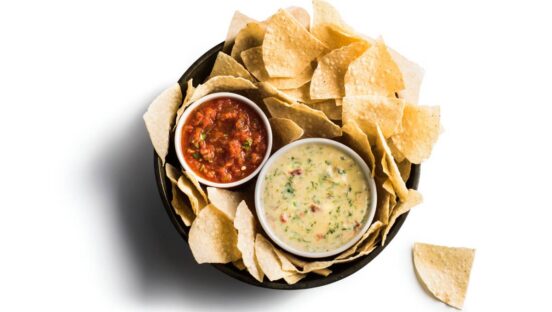
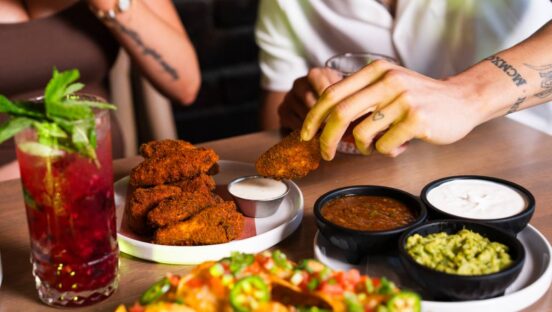
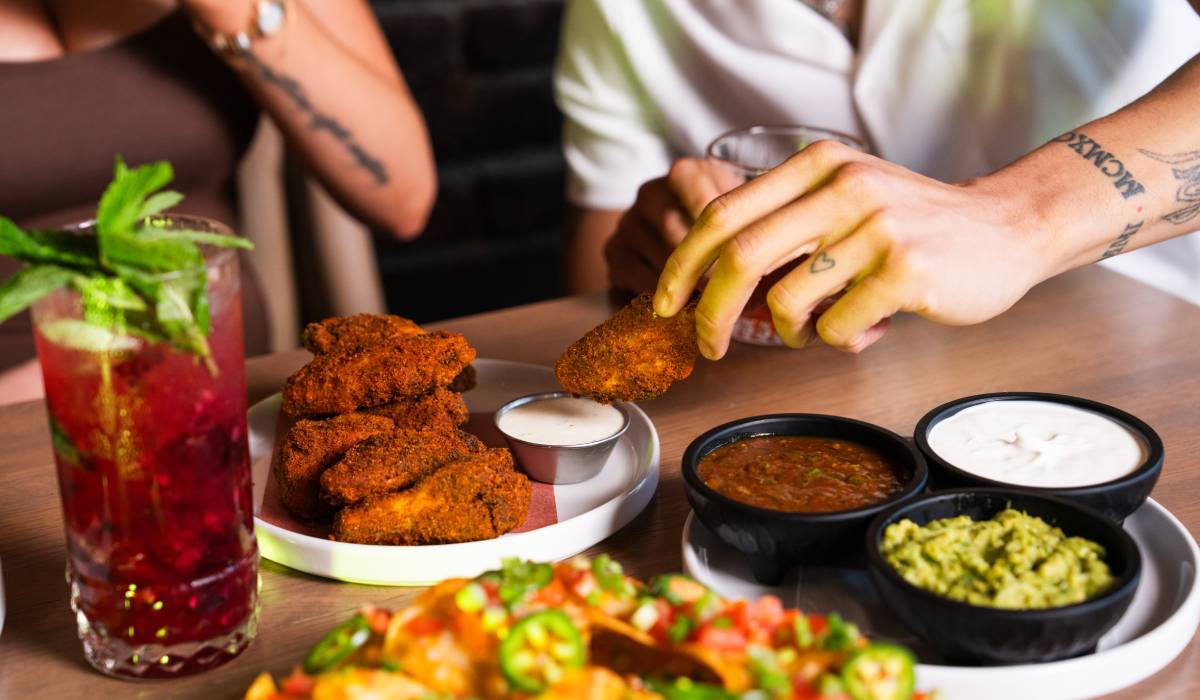
Shark Club occupies roughly 5,000 square feet in Northlake and features 37 televisions, along with a patio overlooking pickleball courts. Its menu includes shareable appetizers, burgers, handhelds, entrees, beverages, late-night specials, and happy hour offerings.
Food is a major piece of Northland’s effort to distinguish Shark Club from the field. Howie describes the concept as a sports bar backed by a premium-casual food program and elevated service.
The basic requirements for competing in the category are straightforward. Guests expect plenty of televisions, quality sound, and cold beer. Howie believes the restaurant experience provides the separation.
Each Shark Club has its own chef in addition to a general manager, a structure Northland also uses at Moxies and Chop.
“The things that differentiate us, I think, is the environment and the food,” Howie says.
That positioning connects with Shark Club’s “For All Fankind” message. Sports may be the catalyst for many visits, but Northland wants the concept to appeal to people who aren’t arriving solely to watch a game. A guest could be following football, hockey, or tennis, meeting friends, or simply looking for a meal.
That can become particularly important in a sports bar segment where restaurants must find ways to drive visits outside major games and marquee sporting events.
“We’re an inclusive environment at Shark Club, and quite frankly, all of our restaurants would be the same,” Howie says. “And we recognize that maybe not everybody is just an NFL football fan, and they may have other things that they’re fans of.”
Expansion in the U.S. also requires Shark Club to account for regional preferences without losing its identity.
Howie says certain fundamental elements carry from market to market, but Northland adjusts aspects such as portion sizes, proteins, music, and menu choices. Texas restaurants, for instance, can feature more Tex-Mex dishes, larger portions, and additional protein options than guests might encounter in Canada.
The goal is to preserve the guest experience even when those individual pieces change.
“When you leave, you should always feel the same; like you’re feeling like this is a great place to go, I’ve been treated respectfully, I felt like this is a welcome environment for me, the restaurant is super clean and hospitable, and people were kind and I want to come back,” Howie says.
Finding future Shark Clubs will require more than locating sports complexes. Northland studies the potential customer base surrounding a property, including income, homeownership, and other demographic factors. Shark Club generally seeks guests who enjoy sports, good food, and high-quality service and have disposable income.
The company then compares that customer profile against the characteristics of its restaurant concepts.
Northland’s relationships with developers and landlords provide another source of potential deals. The company doesn’t need every property to become a Shark Club. Having several restaurant brands allows it to maintain those relationships and choose concepts based on the opportunity.
The strategy has already helped another Northland concept gain traction in the U.S. Moxies has 11 American restaurants, according to Howie, and is expected to reach 25 within three years.
Shark Club is at a much earlier point in its American journey. Most of its restaurants are corporate-owned. It has one franchised location in Canada, and Northland is open to more franchise deals without making franchise recruitment a primary development engine.
Its existing franchise relationships offer a clue to how that could unfold. Howie says many franchisees across Northland’s concepts previously worked inside the organization before deciding they wanted to own a restaurant themselves.
For Shark Club, the near-term opportunity is simpler. Plano proved the Canadian concept could operate in Texas. Northlake gives it another type of venue and another test of how Shark Club can translate across the U.S.
And Northland plans to keep looking for places where the concept makes sense.
“You’re going to find that Shark Club is something that is different. You’re really going to be surprised by the quality of the food and beverage and of the hospitality, how welcoming and hospitable our people are when you come there. You’re going to turn that into not just your favorite sports bar. You’re going to turn it into your favorite restaurant that you like to go to, if you’re there,” Howie says.