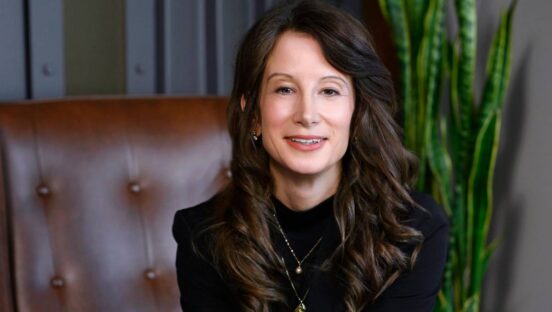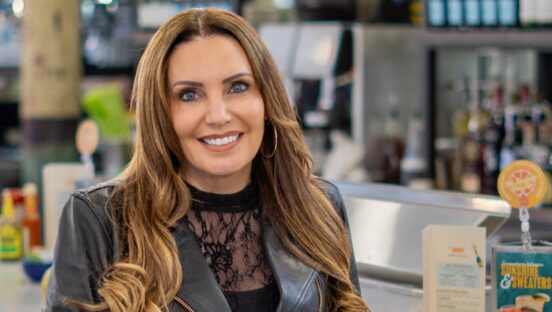
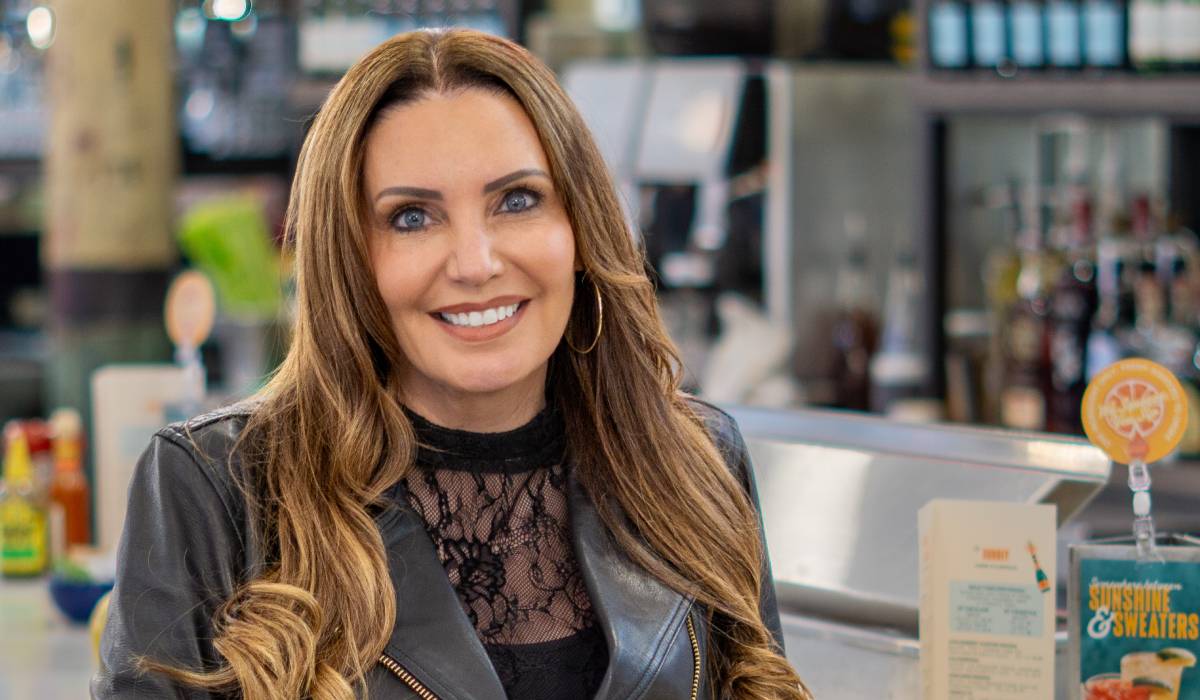
Few operators have seen as many corners of the restaurant industry as Amy Hom. She’s helped run salad bowls at sweetgreen, burgers at Red Robin, and tapas at Barcelona Wine Bar. Now, she’s taking on pancake flights and mimosas.
Hom stepped in as chief operating officer of Snooze Eatery on September 28, joining a brand known for its playful, retro-futuristic vibe and creative twists on breakfast classics.
“I’m very intentional about the opportunities I choose … At this stage of my career, the question isn’t whether I’ve done the job before,” Hom says. “It’s where I can make a meaningful contribution, continue learning, help build what comes next, and have fun along the way.”
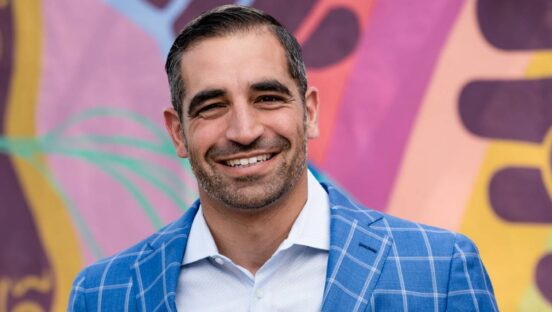
In her conversations with CEO Josh Kern and the rest of Snooze’s leadership team, Hom led with curiosity. She wanted to understand the vision for the business, where they believed Snooze could go next, and how she could complement the strengths of the leaders already around the table.
“What excited me was the opportunity to help influence and grow the brand while protecting what already makes it special,” Hom adds. “I’m also genuinely looking forward to the journey with Josh and the team … work should be meaningful, challenging, and rewarding, but it should also be enjoyable.”
With 72 locations in 10 states, Snooze is eyeing its next growth spurt, and Hom’s appointment reflects an investment in operational leadership. Her task is to lead restaurant operations and work closely with field leaders and teams across the organization. That means elevating hospitality, strengthening operational accountability, and making sure the restaurants have the tools and support to deliver an exceptional guest experience.
Hom says consistency doesn’t mean conformity, and she’s certainly not coming in to flatten Snooze’s culture. She doesn’t believe culture and accountability should compete. Instead, she thinks the right operational strategy helps protect culture and creates more freedom for Snoozers.
Some things, she says, should be non-negotiable: how the brand takes care of its Snoozers, the quality of its food, and how it treats guests. Leaders also need to be excruciatingly clear about standards. That level of clarity, she says, is part of caring deeply for others.
“I don’t need Snooze to feel exactly the same. I want every Snooze to unmistakably feel like Snooze. The last thing I want to do is take the personality, fun, hospitality, and individuality out of our restaurants in the name of operational excellence,” Hom says. “I’ve always said, easy on people, tough on standards … operational discipline should remove unnecessary friction, so our people have more energy to do what they do best—take care of each other and our guests.”
Hom has always believed that great operations start with great people, so her first 90 days will include a lot of time in restaurants listening. Her biggest responsibility right now, she says, is to learn the business from the Snoozers who live in it every day. She wants to hear what’s not working, what they need, and what gaps exist between the restaurant support center and the restaurants themselves.
But she’s also listening for what’s working. Sometimes, she says, organizations spend so much time looking for problems that they miss chances to celebrate the small wins happening inside their restaurants every day.
She’s listening for everything, but especially for patterns. After that, she says, she has a responsibility to close the loop and make sure teams feel heard and understand each decision, whether it’s a yes or a no.
“One person saying something is feedback. When you start hearing the same thing from different people, roles, and markets, that becomes data. As leaders, we must learn the difference between reacting to noise and listening for patterns,” Hom says. “You earn the right to change a business by first taking the time to understand it.”
Hom is still learning this part of the industry, where breakfast and brunch run on short, intense weekend peaks. Those peaks put pressure on everything from food prep and quality to staffing and deployment, and all of it ultimately feeds into the guest experience.
Still, she’s clear on one thing: labor can’t be looked at in isolation. Sometimes the fix is as simple as adding staff. Other times, it’s deployment, training, technology, prep, scheduling, or cutting a process that isn’t adding value.
“Labor isn’t just a cost on a P&L. It’s an investment decision. That’s why I believe you need both the data and the people doing the work at the table. The numbers can tell you where to look, and the people closest to the work can often tell you why it’s happening. It’s our job as leaders to connect the two,” Hom says.
“The best labor model isn’t simply the cheapest one. It’s the one that allows our Snoozers, our guests, and the business to win together.”
Earlier in her career, Hom believed experience meant walking into a new business with all the right answers. She was partly right: experience gives you pattern recognition. But pattern recognition can also create assumptions. Over the years, she’s learned to listen more, ask better questions, and understand the “why” before making a change.
“What worked somewhere else may not be what this business needs. The responsibility of an experienced leader isn’t to walk in and prove how much they know. It’s to use what they know to ask better questions,” Hom says. “Experience should make you more curious, not more certain.”
As she starts this next chapter, Hom thinks back to one that didn’t unfold the way she expected. It taught her two of the most valuable lessons she’s bringing with her: stay open to challenging how things have always been done, and know what matters to you as a leader.
“As you grow in your career, you have to become increasingly clear about your own values and recognize the environments where you can contribute at your best,” Hom says. “We spend a lot of time evaluating opportunities based on roles, responsibilities, business, and growth potential. Those things absolutely matter, but I’ve learned that you should evaluate alignment with your values just as intentionally.”
Sometimes, she says, the experiences that don’t go according to plan teach you more than the ones that do. Those chapters made her a better innovator and a better operator. They also taught her to seek out opportunities like Snooze, where she can contribute at her best alongside a team of other exceptional leaders.
Many people have shaped the way Hom leads, investing in her and advocating for her when she wasn’t in the room. She’s been intentional about surrounding herself with people who can teach her something and challenge her thinking.
She doesn’t think she can ever fully repay them, but she does believe in paying it forward by developing the next generation of restaurant leaders. She co-founded LEAD, a community focused on leadership education, mentorship, and connection. She also serves on the boards of Women in Restaurant Leadership, GLEAM Network, and the Texas Restaurant Association, and is a member of the Fast Casual Industry Council.
“I want to advocate for people when they aren’t in the room. I want to open doors, make introductions, give someone the opportunity before they think they’re completely ready, and share whatever I’ve learned that might help them along the way,” Hom says.
The results matter, and they always will. But these days, Hom measures success a little differently.
“One of the greatest gifts another leader can give you is their time and their belief in you. I’ve received that gift from many people throughout my career, and I feel a responsibility to keep giving it to others,” Hom says. “That’s the kind of impact I want to leave behind.”