Much of the work behind the guest experience is administrative, not hospitality. Managers and teams spend valuable time coordinating schedules, processing inquiries, transferring information between systems, and keeping routine workflows moving. AI is a chance to rethink who does what. The real opportunity isn’t replacing hospitality jobs. It’s redesigning workflows so technology absorbs the repetitive coordination, and people spend more time on judgment, relationships, and service.
What Hospitality Workflows Are Best Suited for AI?
The best opportunities are often the least visible parts of hospitality. Repetitive administrative work behind the scenes pulls focus from what matters most. Tasks like collecting information, entering data, checking availability, and following up take away valuable time that could be spent contributing to the human experience. AI should reduce that burden, not the human interaction at the center of hospitality.
Private events show this clearly. A single guest inquiry can trigger a chain of steps: scoping requirements, qualifying the opportunity, answering repeat questions, and passing details across teams. Similar patterns exist in reservations, scheduling, inventory management, reporting, and other workflows. Each one is a place where bottlenecks can form, and the guest feels it.
There is a difference between good and poor uses of AI. Predictable workflows with recurring inputs, established business rules, and clear next steps are generally better suited to automation than situations that require empathy, creativity, and nuanced judgment. AI might help organize and qualify an event inquiry, for example, but an employee may still be better positioned to navigate an unusual request or build the relationship around a high-value event.
How Does AI Change the Role of Hospitality Employees?
Hospitality roles combine many kinds of work. AI is most valuable when it redistributes tasks, not when it replaces jobs. By cutting the manual time on repetitive tasks, automation frees up employee time for work that relies on judgment and human connection.
For frontline employees, this may look like offering a more meaningful guest experience, resolving issues, or recognizing opportunities to personalize an experience. In sales and events, it means gaining more time to understand prospective guests. Productivity should mean shifting employee time toward higher-value work, not squeezing more out of every shift.
Restaurant managers often hold disconnected processes together. AI that improves information flow and handles routine coordination frees managers to coach their teams, fix problems, and be present on the floor. As technology handles more routine work, employees will increasingly need to understand when AI-generated information or recommendations are sufficient and when a situation requires human intervention.
Why Should AI Reduce Complexity Instead of Adding More Technology?
Restaurant teams often work across reservation platforms, POS systems, inboxes, spreadsheets, scheduling tools, event systems, and internal communication channels. Even when each tool solves a specific problem, employees often end up connecting those systems themselves. AI should not become another destination they have to monitor.
Automating a single task has limited value if someone still has to manually carry the result into the next step. Take an event inquiry as an example. The inquiry itself might be captured efficiently, but someone still has to re-enter details, update another system, notify operators, or track follow-ups elsewhere. The real opportunity is to limit friction across the entire journey, rather than optimizing for one step in isolation.
When information lives in different places, teams lose time to reporting gaps just confirming what’s current. Unreliable handoffs slow everything down. For multi-location operators, those small inefficiencies compound; consistency and visibility get harder to hold across venues.
The strongest application helps information reach the right person or system at the right point in the workflow. AI should make technology less burdensome. If implementing AI means more dashboards, more manual reconciliation, or more steps to do the same job, that’s automation without improvement.
What Does an AI-Enabled Hospitality Workflow Actually Look Like?
Hospitality runs on expectations as much as on process. AI performs best when information and next steps are relatively predictable, but guests don’t always fit into established workflows.
The guest relationship shows where human judgment matters most. In private events and restaurants, accommodating an unusual request or understanding what matters most to a host is what builds long-term value.
AI’s best role is pulling together information employees would otherwise spend time hunting for, so they can make better-informed decisions in the moment. For an event inquiry, this could mean bringing together availability, guest requirements, venue policies, and previous communication before an employee responds. AI handles the information gathering, while the employee still decides what makes sense for that guest. This is how automating the preparation for a decision becomes more impactful than automating the decision itself.
Streamlining workflows should free up room for the interactions that actually set one experience apart from another. When AI absorbs the routine coordination and surfaces the right context, employees get more time for the moments a guest actually remembers.
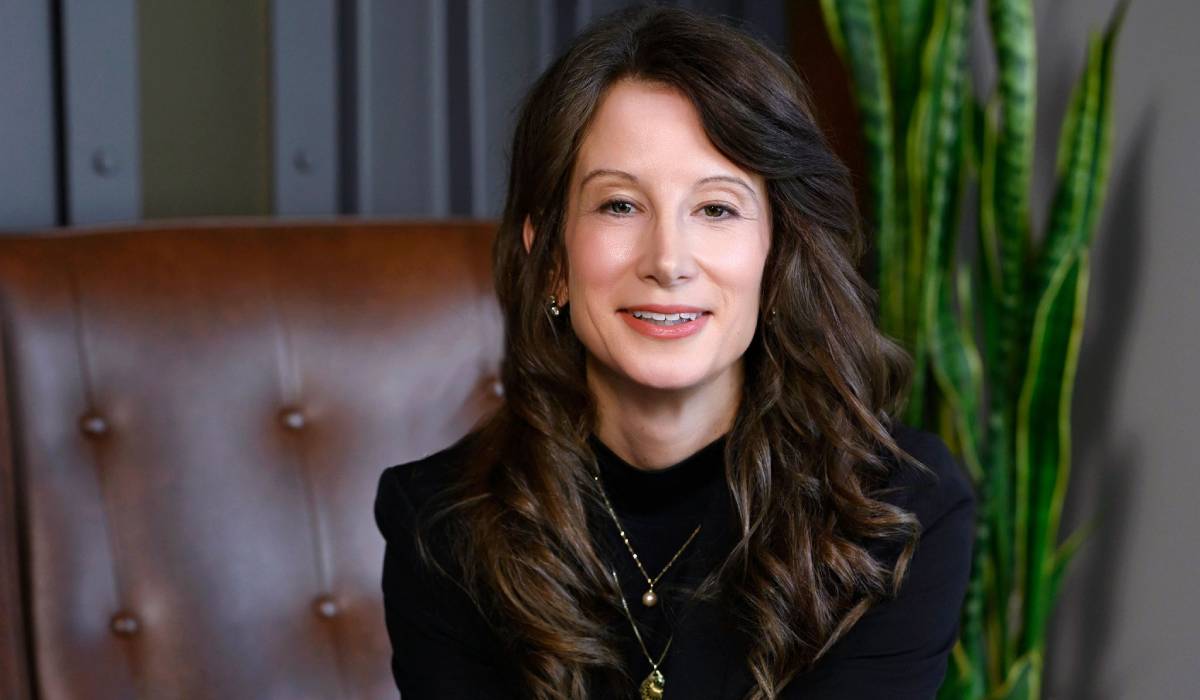
Ania Geerts, Co-Founder & CEO at Paloma
Ania Geerts is a seasoned entrepreneur whose career spans two decades of building purpose-driven businesses that connect community and innovation. She is the CEO and co-founder of a next-generation AI product designed for private event success in the hospitality industry. Paloma replaces the traditional event intake form with an intelligent, personalized venue experience that helps venue teams qualify leads, increase booking conversions, streamline workflows, and offer operational transparency across entire venue portfolios.