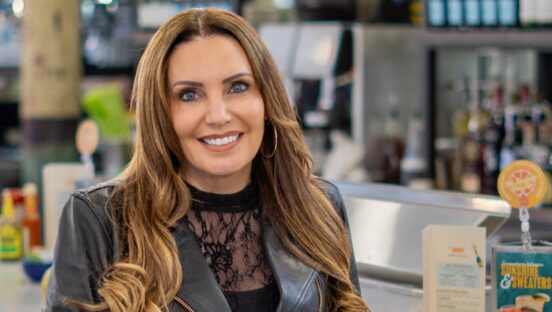
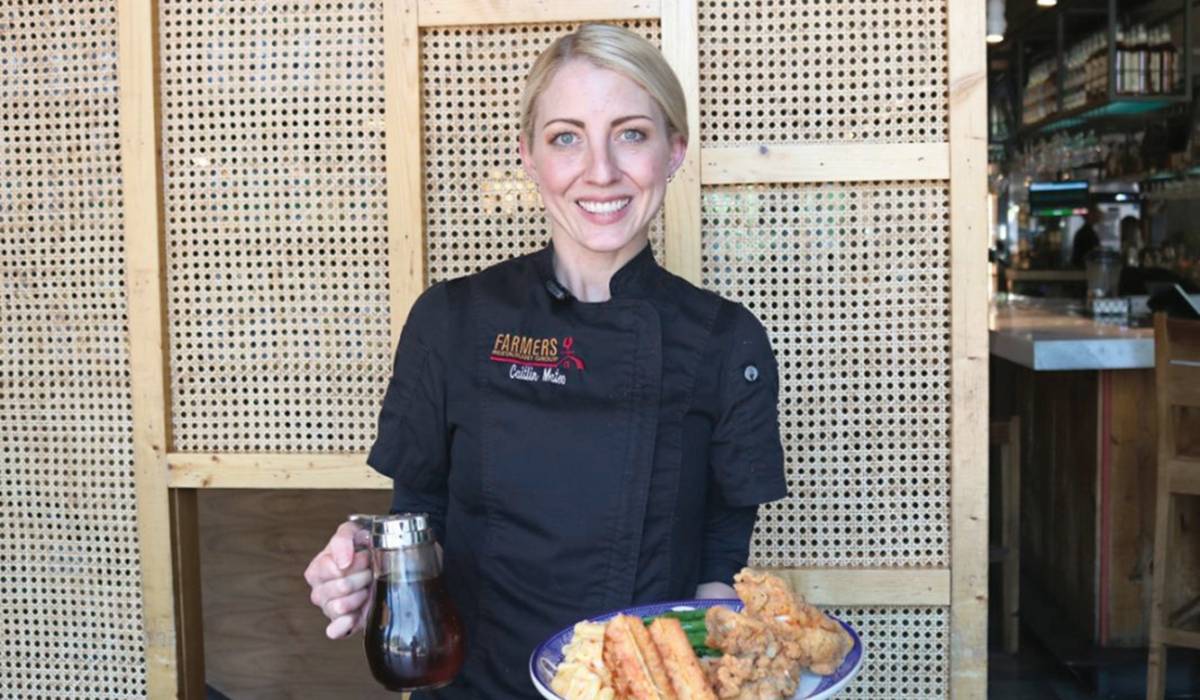
Caitlin Mateo is an anthropologist turned chef, though for her, the two are inextricably linked. In her teenage years, she was fascinated with world culture and people; she wanted to know what they believed in, how they ate, and how their geographical location influenced their culture.
“When you study food, you look at what grows regionally, how it gets cooked, how it gets utilized. But this also tells you about the history of people, how they act, what their background is, and what motivates them,” Mateo says. “I think [anthropology and culinary] studies come together beautifully, if you are willing to learn and dine with people.”
It’s an idea borne out in something as ordinary as a pecan. The only major nut tree native to North America, pecans became a high-density energy source for many Native American tribes in the winter, often traded or pounded into milk and stews. Today, they form the foundation of regional comfort foods, such as holiday pecan pie, praline candies, and butter pecan flavoring—a small but telling example of how a single regional crop can carry generations of resilience, season, and culture forward. It’s the kind of connection she’d go on to build a career around.
Mateo was a natural cook. She catered for friends, parties and weddings, hand-producing hundreds of cookies and other naturally sourced goods. In college, she was introduced to a woman who owned a fine-dining French restaurant, and this first mentor taught her everything.
- Favorite spice at the moment: Aleppo pepper
- Secret comfort food: Mole
- What’s the last cookbook you bought? “Pulp” by Abra Berens
- If you weren’t a chef, what profession would you be in? Cultural studies / Anthropology
- The one food trend you wish would come back: Dessert/cheese carts
“I took a part-time job working in the kitchen, and she showed me everything from running a dish room, to fabricating beef tenderloins and trimming lamb racks, and making the most delicious food,” Mateo says. “It inspired me to turn my studies and my career around.”
Mateo enrolled in the restaurant school at Walnut Hill in Philadelphia, blending her curiosity and love for people and food into a career path she could grow into. After running her own culinary consulting firm for a few years, she found her footing at Founding Farmers, joining as an executive chef and working her way up to director of kitchen operations and development.
Founding Farmers is majority-owned by more than 70,000 members of the North Dakota Farmers Union, as well as farmers across the Midwest. The first restaurant opened in 2008, just a few blocks from the White House, and has since expanded to three locations in Washington, D.C.; one in Maryland; one in Pennsylvania; and three in Virginia.
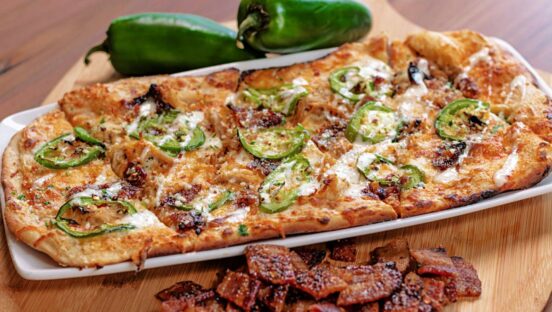
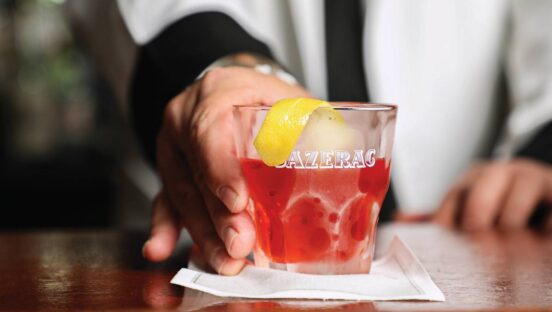
Mateo oversees all the brand’s kitchens, which work through more than 200 items on the daily prep list. From bread to booze, everything is prepared from scratch across a multi-unit footprint. Each menu item can be tied back to an American farmer whom the restaurant buys from directly, running its own trucks to suppliers in North Dakota. Founding Farmers has a host of working relationships with independent and locally owned distributors, who help fill in the gaps with nearby family farms and fishermen. Because of this, menus are crafted to be location-specific and vary from season to season.
“Our goal is to unbundle the supply chain. Mass-production companies who are turning out products like sixty-second parsley are very cool, but it takes the art of true farming and agriculture away. It takes away jobs and sustainable, delicious products,” Mateo says. “There is nothing that we buy in a container or ship in and just serve. We take our time to find people who believe in our mission and culture, from our suppliers to who’s working in our kitchens.”
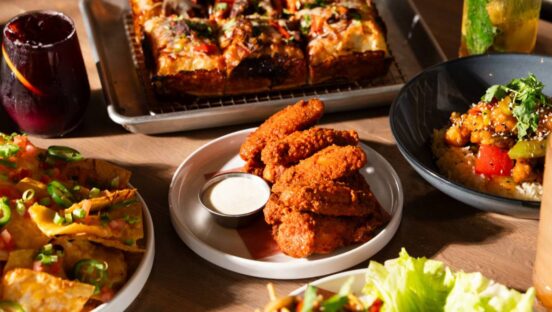
It’s very detail-oriented, demanding work, and a lot to balance. But Mateo believes in surrounding herself with a deeply passionate team: people who can spend days shaping bread on a bread table, hand-rolling pasta, or placing chicken in a 24-hour brine and up to 25 dredges in a specialty flour blend.
“Everything we do with them as leaders and culinarians has to be side by side. We never leave people with a pamphlet or recipe and let them figure it out on their own,” Mateo adds. “Exceptional leadership is done together, talking about it, using all of your senses, developing and investing time in others.”
Running “The Farm,” as Mateo calls it, at its current scale takes a lot of brainpower, including organizing the products to be brought in on a certain schedule, managing the shelf life of prep items, and customizing menus. Half of her time is spent crunching numbers and thinking through processes, and the other half is spent hands-on in the kitchen, curating ideas and conducting research and development.
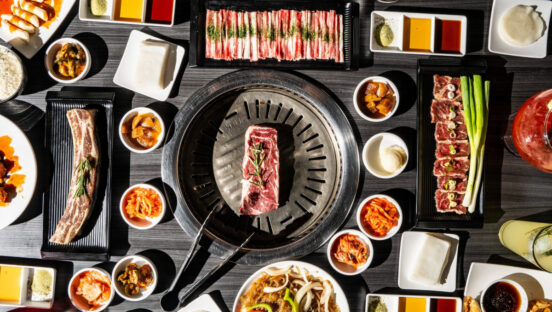
The trickiest part of her role is taking an idea and refining its execution process in the kitchens; for example, at a recent opening in Alexandria, Virginia, they underestimated the amount of grilled food that would be ordered on the weekends. While the kitchens are set up to be balanced on the line in theory (how many dishes are coming off, how many dishes can be executed per hour consistently), within three days of opening, they took all the burners out and replaced them with a new grill.
“Even with the most educated theoretical product mix, you must be flexible and nimble enough to make those quick calls and observe what we need to invest in. You can’t shy away from it,” Mateo says. “What Founding Farmers does well is trust each other and listen intensely to what we foresee coming and what the solution is.”
As Founding Farmers prepares for the fall and winter harvests, rolling through its seasonal produce and from-the-range items, Mateo can be found traveling between the different restaurants and their commissary barn, where barbecue is smoked, coffee is roasted, chocolate is made, and the e-commerce gift-box program is thoughtfully pieced together.
This is the pinnacle of her career: mission-driven, serving others, letting her creativity shine. It reminds her of the journey she has had so far. Today, she effortlessly moves through any challenge, from teaching others new skills to navigating everyday workplace complexities. She learned the most, though, from being a mother and going through three full-term, healthy pregnancies, including one where she went into labor while running a kitchen.
It’s the same instinct that first drew her to anthropology—watching closely, adapting constantly, learning to read what people need before they ask for it. Whether she’s raising her own children or leading a kitchen of hundreds, Mateo is still, at heart, studying people.
“I always felt like I had something to prove, but when I had more to work for than just myself, I had to learn how to evolve in motherhood and in my career,” Mateo says. “It was the biggest transition for me as a woman in this career field. I’ve got to guide little human beings in life … nothing scares me anymore. I can do anything.”