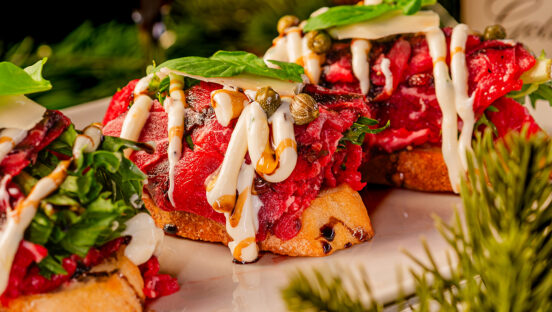
Applebee’s latest appetizer hit began with work customers never saw.
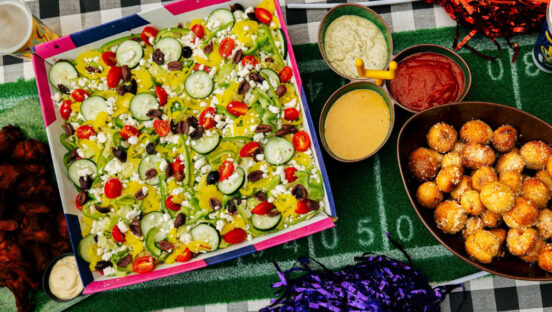
Nearly two years before Cheeseburger Wonton Tacos reached the menu, Dine Brands committed to building an eight-quarter pipeline of new food. The goal was to establish a regular cadence of one new entrée and one new appetizer each quarter, giving customers fresh reasons to visit without starting the development process from scratch.
That investment is now reaching dining rooms. Bacon Cheeseburger Wonton Tacos became Applebee’s strongest new appetizer launch since the pandemic, surpassing Loaded Potato Waves, which debuted the previous quarter.
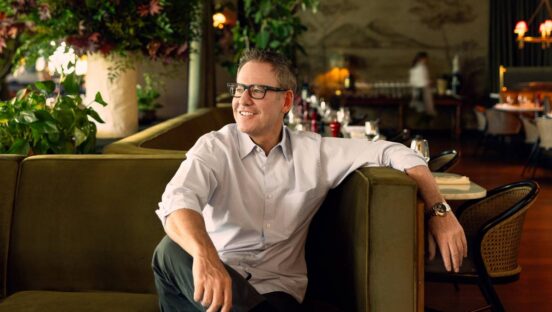
“And what you’re seeing this year is the result of all that work for the past year and a half,” says Dine CEO John Peyton.
The menu work helped Applebee’s return to positive domestic same-store sales in Q3, up 0.9 percent. IHOP posted a 0.8 percent increase and extended its traffic outperformance against Black Box to seven consecutive quarters.
READ MORE:
Dine Brands Rejects Buyout Offer
Applebee’s CMO Michelle Chin Wants to Make Dining Out Feel Easy Again
How Applebee’s and IHOP Gave Customers ‘Something They Didn’t Know They Wanted’
Traffic was still negative at each chain, and menu pricing increased 3–4 percent. Dine is seeking more durable gains through restaurant improvements and development alongside food innovation.
Company revenue increased 15.1 percent to $248.9 million, primarily because of additional company-operated restaurant sales. Adjusted EBITDA was flat at $49 million.
Applebee’s quarter started with a strong July supported by Dollarita and the Cheeseburger Wonton Tacos. August and September softened. Peyton attributes some of the slowdown to two weeks without television advertising in August and a September promotion that did not match the earlier launch’s response.
The uneven performance underscores the challenge of converting successful promotions into consistent visits.
Applebee’s reduced its investment in its NFL partnership after returns fell short of expectations. Its NFL activity now focuses primarily on off-premises wings offers, leaving television advertising more directly tied to food and value.
Peyton says brand is improving how it develops products and introduces them to customers. Inspiration comes from international trends, consumer focus groups, and quiet restaurant tests before marketing begins.
The O-M-Cheeseburger, inspired by a discovery in Japan, offers a cheese pull suited to social media. The Ultimate Trio gives customers customization and sharing opportunities. Peyton says Applebee’s Gen Z guest share has increased quarter-over-quarter and year-over-year.
“We’re getting better at finding them on social channels and telling the the stories in ways that resonate, and that’s why we see improvements there as well,” he says.
The work serves a customer base still divided by spending capacity. Higher-income guests are visiting more frequently, according to Peyton, and price-sensitive consumers are more likely to substitute a quick-service meal or eat at home.
Dine continues to advertise accessible meals, then merchandise premium products inside restaurants. At IHOP, everyday value brings customers through the door, and products such as Stuffed French Toast create opportunities to spend more.
There are modest signs that some diners will stretch their budgets. Value platforms accounted for 25 percent of Applebee’s transactions and 22 percent at IHOP during Q3. That’s right in the range of what the brands have seen over the past several quarters, meaning they haven’t experienced an influx of guests going straight to value.
Within Applebee’s 2 for $25 platform, 68.5 percent of customers selected a higher-priced tier, up from 61 percent in Q1. Peyton views the shift as an early indication that some guests will pay a few additional dollars.
IHOP’s progress also includes service improvements that help restaurants accommodate demand. Peyton says the chain reduced table turn times by 11 minutes over two years. Faster turns help guests seeking a shorter visit and create additional seating opportunities during busy weekends.
Catering sales increased 44 percent year-over-year, supported by new packaging, improved presentation on catering apps, and local outreach. The packaging separates hot and cold items, and franchisees are teaching GMs to pursue nearby schools, public safety departments, and businesses.
“Keep in mind, it is still a small portion of the to-go business, but one that we believe has a significant upside, which is why we’ve made these investments,” Peyton says.
Off-premises comparable sales increased 5.6 percent at IHOP and 1.8 percent at Applebee’s.
Dine’s largest development opportunity combines the two brands under one roof.
The company had 60 domestic dual-brand restaurants open at the time of the call, with another 14 under construction. Peyton says the year-end objective is 80 open or under construction, and describes the 2027 pipeline as the strongest of his six years at Dine.
Locations are producing roughly 1.5–2 times the sales of their original standalone restaurants.
Peyton says a typical conversion costs approximately $1 million and offers a roughly four-year payback. The additional sales are more profitable because operators can increase revenue without significantly raising operating costs. The conversions also modernize existing properties and give customers an unusual range of choices. Two-thirds of tickets include products from each brand’s menu.
Applebee’s standalone remodel program is advancing as well. The chain completed 107 Looking Good renovations through Q3, exceeding its annual target of 100. Remodeled restaurants are seeing at least a mid-single-digit sales lift, driven by traffic. Dine contributes financially to the projects. Peyton says exterior updates help signal change to passing customers, and interior improvements work together to refresh the experience.
Dine owned 136 restaurants at quarter-end and plans to refranchise them over time. The oldest acquired group is profitable at the restaurant EBITDA level, and franchisees have expressed acquisition interest. Operating restaurants also gives Dine direct experience with staffing, food waste, training, and its Toast rollout, including server handhelds, according to Peyton.
The work continues after Dine’s board rejected an unsolicited acquisition proposal it considered inadequate and substantially below the company’s value. Dine also adopted a stockholder rights plan.
Q4 began with mixed results, including softer Applebee’s sales and continued IHOP momentum. The company is tracking toward the low end of its full-year financial guidance.