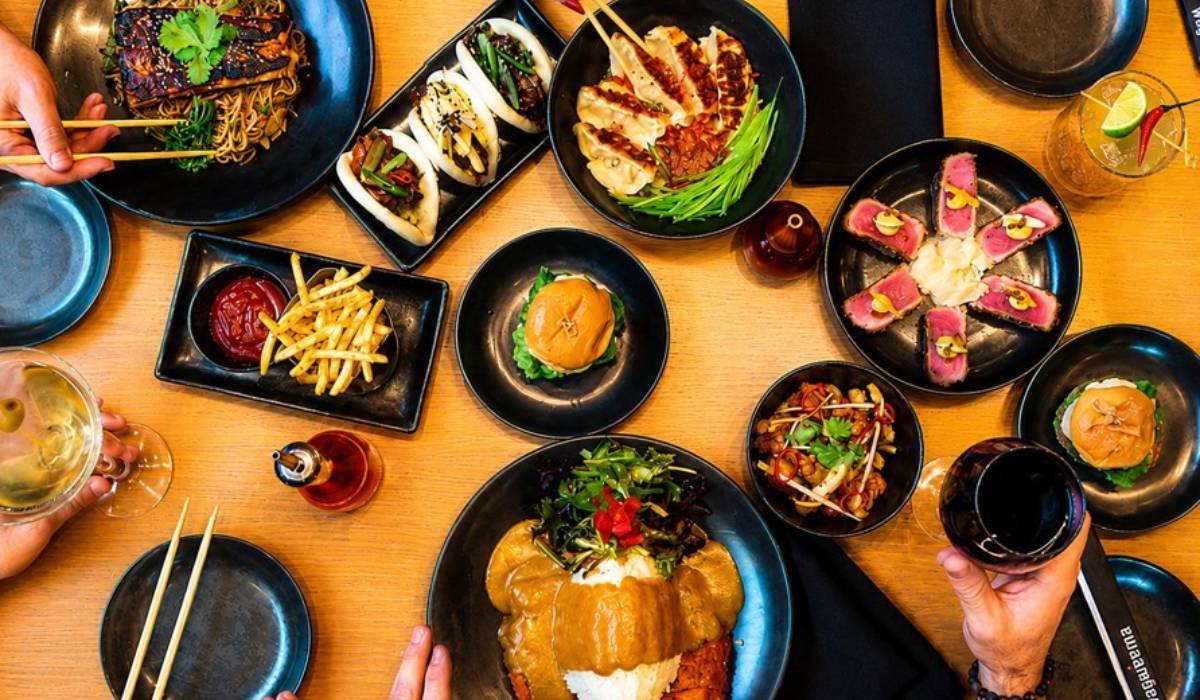
Wagamama has spent more than three decades building a recognizable restaurant brand in the U.K. Its Asian-inspired menu, communal seating, and distinctive dining experience have helped the chain grow to more than 170 locations across its home market.
The U.S. has been a different story.
Despite operating in America for nearly two decades, Wagamama has just five restaurants, including two in New York City and locations in Boston, Arlington, Virginia, and Tampa, Florida. The brand has struggled to translate its overseas popularity into a meaningful U.S. presence.
CEO Stephen Judge believes he knows why. The company initially tried to replicate its successful British restaurant model without sufficiently accounting for differences in American dining habits.
“When they brought Wagamama to the U.S., they really brought it with a British playbook, a British recipe book and concept and seating layout that had been proven to be very successful in the U.K. And frankly speaking, they didn’t adapt it for the U.S. market,” Judge says.
Judge, a Liverpool native whose restaurant career includes experience with Seasons 52 and Bonefish Grill, was brought aboard to help correct that disconnect and establish a foundation for domestic expansion. One of the first moves involved relocating the company’s U.S. corporate office from Midtown Manhattan to Tampa.
His first six months also included extensive consumer research to determine which elements of Wagamama resonated with American guests and which needed to change.
The company conducted menu satisfaction studies examining everything from portion sizes and pricing to ingredients and perceived value. Focus groups in New York, Boston, and Washington, D.C., provided additional feedback on restaurant layouts, seating arrangements, and menu presentation.
Some of the findings challenged longstanding elements of the Wagamama experience.
American guests weren’t particularly fond of the brand’s signature communal tables or backless benches, which they considered uncomfortable during longer dining occasions. They preferred traditional chairs and flexible table configurations that could accommodate different party sizes.
Wagamama has since incorporated those preferences into its U.S. restaurants, including locations in Tampa and New York.
The research also uncovered some surprising demographic characteristics. Women account for 57 percent of Wagamama’s American customers, and more than 30 percent of its guests earn over $150,000 annually.
Those findings helped inform a significant overhaul of the brand’s food and beverage offerings.
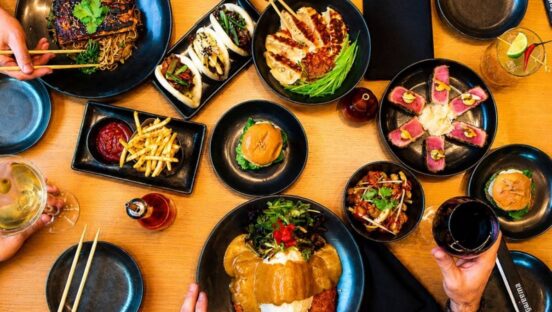
Wagamama recently introduced 26 new dishes and 15 Asian-inspired drinks, representing one of its most substantial efforts to tailor the concept to American consumers.
The additions include Wagamama beef sliders and customizable bao bun tacos, allowing guests to mix different proteins and flavors instead of purchasing two identical buns. New beverage platforms include Wagaritas and Wagatinis, featuring selections such as Thai chili margaritas, lychee martinis, and ube espresso martinis.
Judge says the company evaluated more than 250 food items and approximately 150 beverage possibilities before selecting the additions.
The objective was to expand the restaurant’s appeal across different dining occasions, from an inexpensive lunch to a multicourse dinner, without abandoning its Asian culinary identity.
“Technically, if you wanted to, you could come into Wagamama, get a couple of bao buns and get a juice and be in and out of the restaurant for 20 bucks if you wanted to.”
The expanded selection also addresses the veto vote, when one member of a dining party rejects a restaurant because the menu doesn’t offer something appealing.
Wagamama is attempting to eliminate that obstacle through greater variety, customization, and choices for vegetarian and vegan guests.
Still, the company was careful to preserve dishes that established its reputation. Chicken katsu curry, yakisoba, pad Thai, bang bang cauliflower, and signature ramen offerings continue to anchor the menu.
Some existing items received larger portions, including ramen dishes that now feature six ounces of protein to better match American expectations.
Not every experiment worked. Judge says customers pushed back when the company tested changes to certain established dishes, prompting Wagamama to restore familiar versions.
“I’m not going to say it was all glory and we got 100 percent right, but,we do know that if we change this item or that item, we would get some very vocal guest feedback,” Judge says.
The transformation extends to the beverage program. Wagamama has expanded its alcohol offerings, including upgrading its longtime Boston restaurant from beer and wine service to a full liquor license. All five U.S. restaurants now have full liquor licenses.
Judge believes developing recognizable menu platforms, instead of relying on isolated limited-time additions, gives the chain a better opportunity to build awareness in a competitive restaurant market.
That awareness is another significant challenge.
Wagamama may be a household name in Britain, but many American consumers have never encountered the concept. Its relatively small and geographically dispersed footprint has made it difficult to establish a consistent national identity.
The company has hired a public relations firm, joined OpenTable, and invested in technology to better understand customer behavior and improve engagement.
A new relationship with Olo supports Mamago, Wagamama’s direct-to-consumer ordering channel for pickup and delivery. The company is also working with a data analytics provider to track guest frequency, ordering patterns, and the relationship between dine-in and off-premises visits.
The investments represent a shift away from relying primarily on restaurant openings to introduce the brand to new consumers.
“We are going down a much more digital-driven path in the future as opposed to the old traditional open up the restaurant and see how many people we can get in,” Judge says.
Those capabilities will also influence where Wagamama expands.
Judge says the company has spent the past 12 to 18 months evaluating real estate opportunities, including potential locations in Florida and Texas. Discussions are underway on prospective deals, although no specific openings have been announced.
Before committing to additional restaurants, Wagamama is standardizing operations across its existing footprint.
Historically, individual U.S. restaurants operated with considerable independence. Judge is replacing that structure with consistent operating procedures, standardized menus, shared beverage programs, and common preparation methods.
The company has implemented nearly 11 operating systems over the past year to create a more scalable business. Judge expects to spend the following year testing and mastering those systems before accelerating development.
His caution comes from decades of experience expanding restaurant chains, including the realization that opening more locations doesn’t necessarily translate into sustainable growth.
“What I learned growing Seasons 52—the faster you grow, the faster you can fail in the restaurant industry,” Judge says.
The CEO adds that Wagamama has received interest from prospective development partners but is being selective. He personally spends extended periods studying potential markets, evaluating whether locations can support consistent lunch and dinner traffic throughout the week.
The objective is to avoid costly mistakes that could undermine the company’s progress. That discipline could prove particularly important as Wagamama attempts to capitalize on Americans’ growing appetite for Asian-inspired food.
Judge sees favorable conditions among younger consumers, particularly Gen Z, who are seeking adventurous flavors, customization, and opportunities to explore different cuisines.
He also believes the appeal extends across age groups, creating opportunities for Wagamama to serve customers through dine-in, takeout, delivery, and catering.
The combination of a more accessible menu, upgraded restaurant experience, and improved digital capabilities gives Judge confidence that Wagamama can establish a more substantial presence in the United States.
But he doesn’t believe the brand needs to rush.
“I call it disciplined growth because you want to do it in a disciplined and focused manner,” Judge says. “Every time you open up a new restaurant, you take in additional investment. There’s a capital resource associated to it, and you really need to make sure you know what you’re doing.”