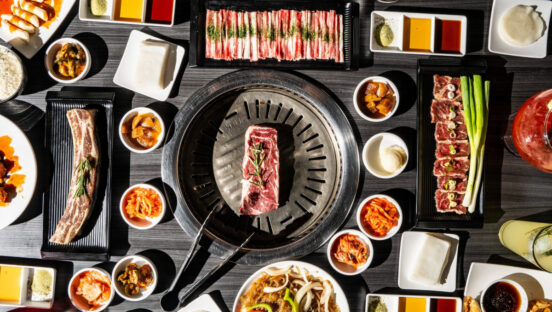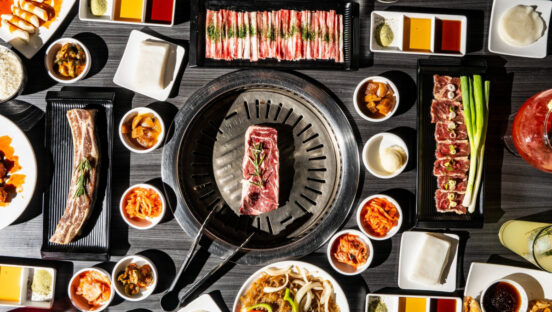

Gen Korean BBQ could soon look very different.
The company disclosed Monday that it received a non-binding letter of intent from a nationwide multi-concept restaurant operator to acquire its U.S. restaurant business in a transaction valued at more than $100 million. If completed, Gen would exit the restaurant business and retain full ownership of its consumer packaged goods division.
The proposal covers more than 59 U.S. restaurants. Any deal would still require due diligence and approval from the board and shareholders. The company also said its board may consider alternative proposals during its review.
The announcement came alongside second-quarter earnings that illustrated the diverging performance of Gen’s two businesses. Total revenue increased 1.2 percent to $55.7 million, driven by growth in the company’s CPG division and new restaurant openings. Restaurant sales, however, continued to struggle. Comparable restaurant sales declined 9.3 percent during the quarter, and the company reported a net loss of $4.6 million, compared with a $1.7 million loss a year earlier.
Chairman and CEO David Kim said the offer validates the business the company has built over the past several years.
“Receiving this proposal is a testament to the GEN brand and the value we have already built,” Kim said in a statement. “Our Board of Directors, together with our financial and legal advisors, will carefully review and evaluate the proposal to determine the path that is in the best interests of the Company and all its shareholders. We believe a transaction of this nature makes strategic sense: focusing GEN entirely on our CPG business, where growth is accelerating rapidly.”
The proposed transaction comes as the company’s retail business has accelerated well ahead of the goals it outlined earlier this year.
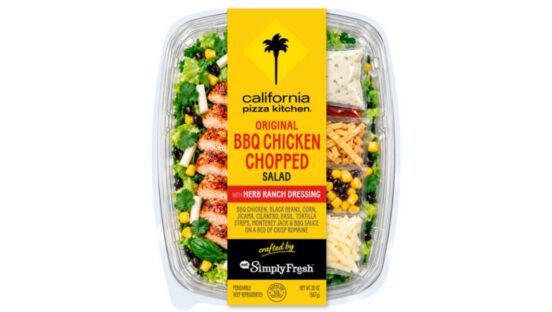
In March, GEN projected its products would reach between 1,500 and 2,000 retail locations by the end of 2026 with an annual revenue run rate exceeding $20 million. According to the company, it has already reached nearly 2,000 retail doors and now projects an annual revenue run rate of $35 million to $40 million. CPG revenue also climbed 341 percent sequentially from the first quarter, with June becoming the division’s largest sales month to date at more than $2 million.
Its products are now sold through retailers that include Albertsons banners, Stater Bros., Smart & Final, Save Mart, BevMo, and multiple Costco regions. The company also secured purchase commitments from approximately 60 to 70 Costco warehouses in the Pacific Northwest during the second quarter, bringing its total commitments to more than 100 Costco locations nationwide. More than 1,000 additional retail locations have been presented to buyers, including BJ’s Wholesale Club, Walmart, cruise lines, and Sysco, with another 8,000 locations in active outreach.
Kim said the economics of the retail business differ significantly from expanding restaurants.
“CPG growth is exponential; restaurant growth requires heavy capital investment in every new location, with significant risk,” he said. “In CPG, we piggyback on the real estate of our grocery market and club store partners; we grow without putting capital into buildings. The early response from the largest membership warehouse retailer in the country and other grocery customers has been significant, and we believe it gives GEN a compelling position in the category.”
The restaurant business also continued to evolve during the quarter. GEN exited six underperforming restaurants, including four transferred to its previously announced joint venture with Chubby Cattle, in which the company retained a 49 percent interest. The company said those exits are expected to improve restaurant-level performance beginning in the third quarter.
Restaurant-level adjusted EBITDA margin improved sequentially to 11.3 percent from 7.4 percent in the first quarter, aided by labor efficiencies and the closure of weaker-performing locations.
The proposal would provide additional resources to invest in the retail business, according to the company.
“We are also strengthening the organization around this opportunity—adding senior CPG executives, including on the East Coast, and engaging regional broker networks that are deeply focused on their own regions and their own customers. A transaction like this could allow us to dedicate our resources fully to the CPG business while strengthening our balance sheet through the sale of our restaurants,” Kim said.