The Cheesecake Factory’s Q3 traffic surge is giving the casual chain a chance to turn social media attention into lasting guest loyalty, and it is investing in the restaurant experience to make those visits count.
During the quarter, same-store sales climbed 15.2 percent, driven by 9.5 percent traffic growth that outperformed the Black Box casual-dining index by 940 basis points. Annualized average unit volumes exceeded $13.9 million, setting another record during what president David Gordon described as typically the company’s slowest quarter.
The gains stretched across regions, meal periods, and days of the week. Off-premises business held steady at approximately 21 percent of sales.
The company’s challenge now is converting that demand into repeat business without sacrificing the service that brought guests through the doors.
“Certainly, we’ll continue to monitor those social channels, influence them appropriately when we think we should and, most importantly, as I said earlier, execute against those new sales and the traffic growth because we don’t want it to be a one-and-done situation,” Gordon said during the Q3 earnings call. “It never has been at Cheesecake Factory. We’re building brand loyalty and guest loyalty for the long term.”
READ MORE:
Cheesecake Factory and Flower Child Continue to Compete with ‘Everybody and Nobody’
The Cheesecake Factory’s Sales Flywheel is Picking Up Speed
The Cheesecake Factory Hits Record Sales and Exceeds Expectations in First Quarter
Social media discovery has helped introduce younger consumers to the brand. CFO Matthew Clark said a large percentage of incoming guests skew younger, although four months of momentum did not provide enough information to assess their long-term visit frequency. However, it’s important to note, sales trends have been consistent through that four-month period, and that’s without significant swings tied to the timing of organic social content.
One beneficiary was Cajun Salmon, an existing menu item that attracted attention through viral customization ideas. Guests who came to try it also brought dining companions who ordered established favorites, including Chicken Madeira and Avocado Eggrolls.
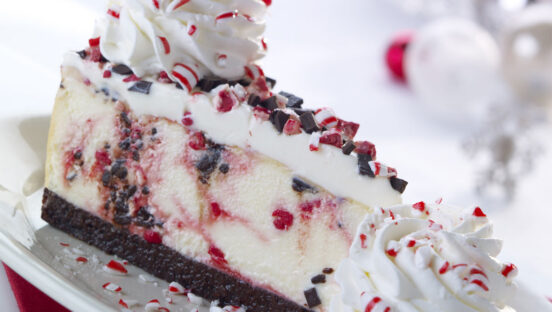
The chain recorded 3.3 percent positive sales mix alongside 2.4 percent pricing. Cajun Salmon contributed because it sits toward the upper end of the entrée menu, but Clark also pointed to an increase in alcohol incidence. Cheesecake incidence was flat at an all-time high.
Menu development will continue on its established schedule of two changes annually. The recent success does not signal a faster rollout of new products.
“The cadence is the two menu changes a year, and that will be the same cadence moving into next year and for the foreseeable future,” Gordon said. “I wouldn’t anticipate that’s going to change.”
The company is also building a more direct connection with guests through Cheesecake Rewards and its app, which launched in the second quarter. Gordon said personalized offers are helping support repeat visits, and the app is taking on a larger role in digital ordering and guest communication.
Weekly rewards member acquisition continues to run at twice the level recorded before the app’s launch. Clark said rewards participants visit more frequently, giving the company another way to sustain sales after the initial wave of social discovery.
Cheesecake Factory’s performance lifted companywide revenue above $1.033 billion, its second consecutive quarterly record. Adjusted EBITDA rose 38 percent to $98.7 million.
At the flagship concept, restaurant-level profit margin expanded 240 basis points to 18.7 percent. Labor costs declined 80 basis points as a percentage of companywide sales, helped by sales leverage.
Some of the benefit went back into the business through approximately $4 million in discretionary, one-time bonuses for frontline restaurant managers.
Q4 revenue is projected at $1.04 billion to $1.05 billion. Looking into 2027, the company projects approximately $4.425 billion in annual revenue.
Cheesecake Factory finished Q3 with 218 U.S. restaurants and 35 internationally licensed locations. North Italia had 52 units.
Development will shift toward Flower Child, which posted 11 percent same-store sales growth and 18 percent growth on a two-year basis. Annualized average unit volumes reached $5.1 million, and adjusted mature restaurants delivered a 20.2 percent restaurant-level profit margin, up 280 basis points.
The company expects 11–13 Flower Child openings next year, compared with as many as seven in 2026. Construction costs have been approximately $2.8 million to $3 million per restaurant.
Gordon expects an even split between new and existing markets, with additional locations helping build a local presence.
“We see some great synergy when we’re able to get that second and third restaurant open in an existing market, so we’re happy to follow up in new markets and get a second and third in there relatively quickly,” he said.
North Italia faces a different assignment. Same-store sales declined 3 percent, and restaurant-level profit margin at adjusted mature locations fell to 13.2 percent from 15.7 percent, primarily because of sales deleverage.
A new menu introduces more accessible price points, and a refreshed happy hour adds shareable dishes and beverage choices. Increased media investment in two markets will test whether greater awareness translates into trial. A kitchen technology rollout is expected to improve order coordination and throughput.
Across the portfolio, the company plans as many as 27 openings in 2027, with roughly three-quarters scheduled for the second half. Cheesecake Factory itself could add as many as five restaurants.
A recent Wichita, Kansas, opening demonstrated the potential of a smaller, approximately 6,500-square-foot restaurant. Gordon said development depends on available sites and that the chain has the capacity to open more than four to six locations annually.