When Tim Gannon moved to Tampa to join his future Outback Steakhouse partners, he arrived with $37 in his pocket. He had sold his polo saddle for gas money and left a job in New Orleans to pursue an opportunity based around who he’d work with, not for.
The original plan was relatively modest: open four restaurants. But in the end, Outback grew to 1,300 units and one of the industry’s true icons was born.
In a conversation on QSR Uncut (see full episode below), he reflected on the decisions behind the brand’s growth, from the creation of the most-famous appetizer there is in the Bloomin’ Onion to the importance of ownership, hospitality, and getting the word out when you’re just starting.
Here are five leadership lessons from the conversation.
1. Choose partners who bring different strengths
Before joining Outback, Gannon says his boss offered to pay off his debts, buy him a home, and give him a financial cushion. The offer was worth about $1 million, but it didn’t include equity.
Gannon turned it down. He wanted to build something with partners rather than continue working for someone else.
“The key was to make money with someone, not for someone,” he said.
In Tampa, he found partners who brought different skills to the venture. Gannon focused on food, while Chris Sullivan and Bob Basham developed approaches to incentives, compensation, and operations.
He recalls staying with Basham while getting settled in Tampa. Looking back, Gannon considers those relationships central to Outback’s success. “I can’t tell you how important having the right partners is,” he said.
The lesson: Look for partners who share your ambition, complement your skills, and are willing to build something together.
2. Create something distinctive by connecting ideas
The Bloomin’ Onion began with curiosity about flavor and presentation.
While working in New Orleans, Gannon studied how flavors were combined and watched the city’s chefs at work. Along with colleagues, he explored cookbooks for fresh ideas. One Japanese version showed how onions and other vegetables could be cut into flowers.
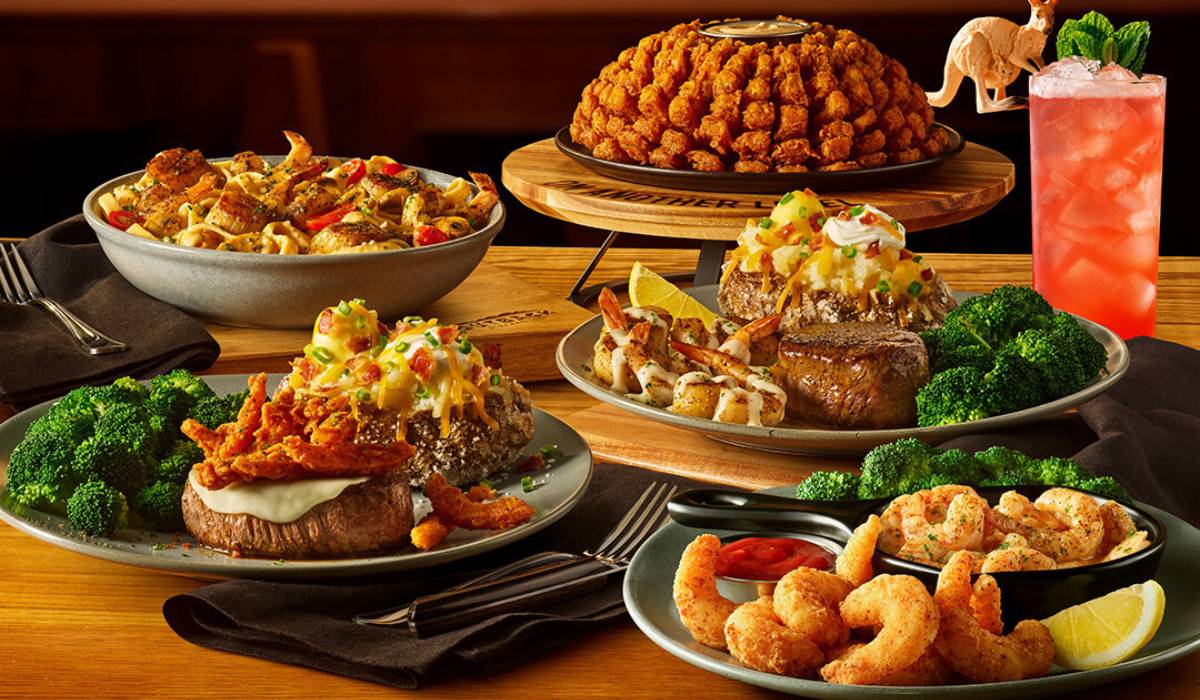
Gannon took inspiration from the presentation, made it edible, and combined it with New Orleans spices. The result became Outback’s signature appetizer.
Gannon says the product’s complexity helped make it difficult to duplicate. The seasoning requires a particular blend, and the size of the onion creates operational challenges: Outback built its kitchens with the equipment needed to prepare it at volume.
But the idea itself was also memorable. As Gannon phrased it, an item can become attached to a brand in a way that is difficult to transfer elsewhere.
The lesson: Originality doesn’t always mean inventing from nothing. It can come from combining influences in a way customers recognize as your own, and building the operation to deliver it consistently.
3. A good product still needs people to discover it
When the first Outback opened, business was slow. Gannon recalls a difficult location, little marketing, and customers who didn’t know what to expect from an Australian-themed steakhouse.
When Sullivan asked whether he had gotten the food right, Gannon disagreed. The food wasn’t the setback, he believed. People simply didn’t know the restaurant existed.
The team began looking for ways to get the product in front of the community. One early effort involved cooking Bloomin’ Onions outside a local radio DJ’s office and bringing them in fresh for him to try on air. Gannon remembers cooking by flashlight early in the morning.
The exposure introduced the restaurant to customers. Gannon also recalls overhearing diners at a nearby pizzeria discussing the appetizer and saying they couldn’t wait to tell their neighbors. That conversation gave him hope Outback could make it.
The lesson: Don’t assume a strong product will market itself from day one. Make it easy for the right people to experience it. And listen carefully to what they say afterward.
4. Give operators a reason to think like owners
Gannon credits Sullivan with recognizing the importance of the people running individual restaurants and creating compensation packages that rewarded them for their bottom lines.
At Outback, the manager-as-proprietor model was part of a broader approach to hospitality. The concept also emphasized details such as concentrated service, food temperatures, and execution.
Gannon argues financial decisions can undermine a restaurant when they ignore what capable operators contribute. He remembers people suggesting the company could save by redesigning compensation or hiring employees for less. But Gannon felt the apparent savings would come at the expense of core equities that made Outback work.
A manager, he says, shapes the restaurant through everyday decisions: checking schedules, making sure preparation and line checks are complete, and maintaining hospitality.
“One [person] formulates the personality of the restaurant,” Gannon said.
The lesson: Treat strong operators as drivers of the business, not just a cost to manage. Align their rewards with the responsibility they carry.
5. Define value as the whole experience
Gannon believes restaurant guests are still looking for something fundamental—value. But he cautions against reducing that ideal to the lowest cost.
“Value is not just about price,” he said. “It’s about quality, quality of taste. What do you get for what you’re paying?”
At the original Outback, it meant pairing moderately priced meals with food, service, and hospitality that made the experience feel worthwhile. Gannon points to details ranging from chilled salad forks to the way servers managed tables. The Bloomin’ Onion drew attention, but he says the combination of many elements brought the experience together.
He also recalls watching Outback’s average check closely. When it rose beyond a certain point, he expected traffic to decline. To him, the goal was to find the “sweet spot” where guests felt the experience justified what they paid.
The lesson: Value is the relationship between price and everything a customer receives. Protect the whole experience, not just one appealing number on the menu.