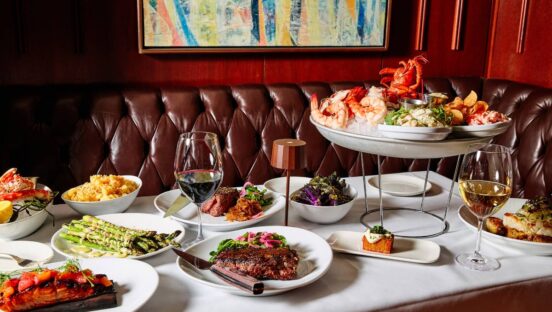
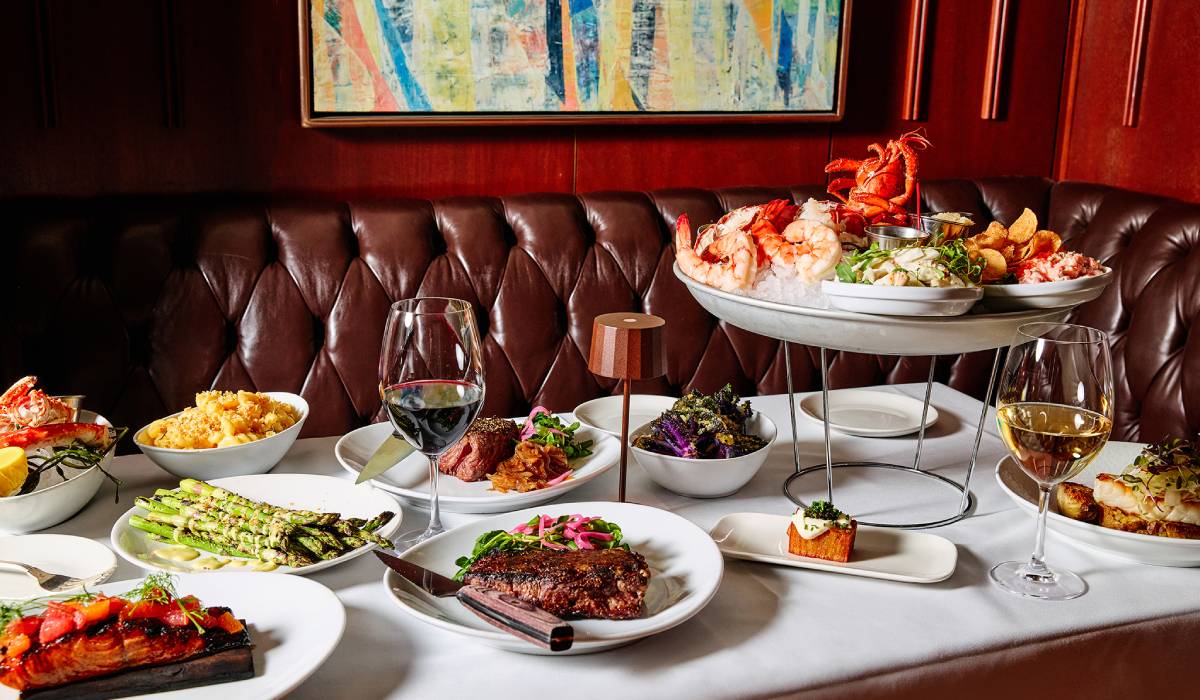
Some of Grill 23’s younger guests first came in for a martini photo. Then they stayed for dinner.
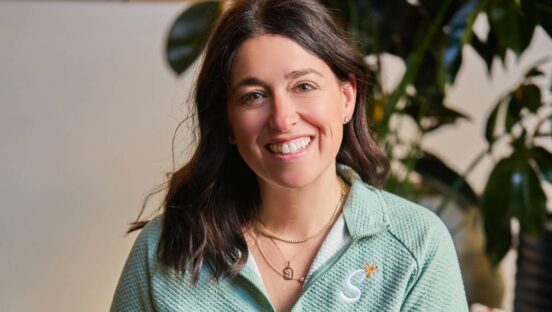
For Chris Himmel, CEO of Himmel Hospitality Group, that progression is an encouraging sign for the Boston steakhouse, which opened in 1983. Alongside regulars in their 50s, 60s, and 70s, he’s seeing diners in their 20s and early 30s discover the restaurant.
“They started by coming in just to go get a picture with a martini with ice chips on it, and now they’re realizing that they can stay for dinner,” Himmel says.
The steakhouse atmosphere is having a moment, he acknowledges. But keeping Grill 23 relevant has involved decades of reinvestment, menu decisions, and attention to the people delivering the experience.
On FSR’s Restaurant Innovator podcast, Himmel and chef-partner Robert Sisca discussed how they approach that work as national restaurant groups expand in Boston and Himmel Hospitality prepares to open two restaurants in 2027.
Grill 23 began as a single-floor, 185-seat steakhouse founded by Himmel’s father, Ken. Its early menu offered just a few steak options. As the business grew, leadership regularly stopped to examine what could improve the experience.
“They reassessed every three to five years,” Himmel says. That process helped shape investments in the wine program and culinary talent, at a time when an ambitious chef might not have viewed a steakhouse as an obvious career destination.
Today, Sisca brings a fine-dining background that includes nearly five years at Le Bernardin. He oversees the group’s four existing concepts, each with its own identity and dishes guests expect to find.
At Grill 23, some steaks have been on the menu for 43 years. At the group’s French bistro, the bouillabaisse has endured for 17.
Those dishes aren’t going away, Sisca says, although their preparation or presentation may evolve. He wants chefs to recognize what brings people back before deciding what needs updating.
“A lot of people do look for signatures,” he says. “They do look for cocktails and dishes that make you want to come back.”
That doesn’t mean leaving a restaurant untouched. Sisca believes operators need to reassess their concepts and avoid falling into the routine of doing the same thing simply because they always have. But novelty alone isn’t a reason to change.
“I don’t always love to just follow the trends because trends die,” he says. “Good hospitality and good food lasts forever.”
Delivering that consistently has become an increasingly demanding assignment at Grill 23. Himmel says an 800-cover, $100,000 night once occurred only a handful of times. Now, he describes that level of business as happening almost nightly.
At roughly 150–160 per person, volume doesn’t buy the team any forgiveness.
“The expectations don’t waver compared to a smaller restaurant,” he says.
Long-serving employees help meet those expectations. Some servers have worked at Grill 23 for its entire 43-year history. More recently, employees’ children have joined the restaurants as hosts during school breaks and the holidays.
Himmel, who previously worked for Danny Meyer, says he devotes as much attention to employee satisfaction as guest satisfaction. Hiring means looking beyond technical proficiency to consider someone’s attitude and effect on the team. The group has also been working to improve benefits, including retirement plans and vacation offerings.
That investment matters when a dining room is full of people measuring tonight’s visit against years of previous meals—or deciding whether their first dinner deserves a return trip.
Himmel considers himself an ambassador for the restaurant’s history. But that responsibility comes with a warning from his father that he still hears in his head: You’re only as good as your last meal.
“The biggest fear I have is that people come in and they don’t feel like it’s as good or better as the times that they’ve been before,” he says.