A premium ingredient has to earn its place on a full-service restaurant menu. It needs to give guests a compelling reason to order, fit the kitchen’s workflow and support a price point that makes sense for the business.
That is why more operators may be ready to revisit USA scallops.
After several difficult years marked by lower catch rates and higher shore prices, domestic scallop landings are rebounding in 2026. That shift is bringing lower pricing on key domestic sizes and opening the door for chefs to consider scallops again as a permanent menu item or a limited-time feature.
“Scallops from the USA are the best scallops in the world” says Ken Melanson, Founder and CEO of Northern Wind. “With catch rates increasing and prices becoming more attractive, now is the right time for full-service restaurant operators to take another look”.
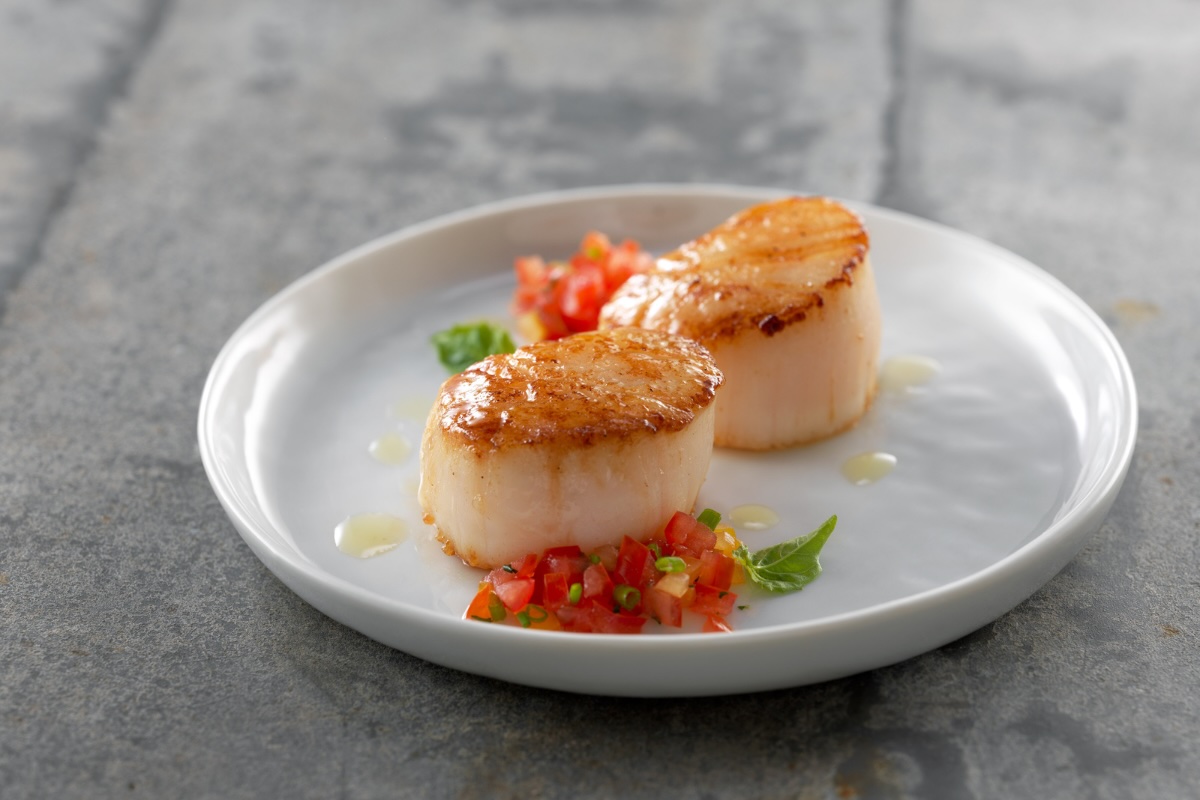
For restaurants trying to stand apart in a crowded market, scallops offer something that is increasingly difficult to create: an immediate sense of occasion. Their sweet flavor, tender texture and caramelized sear give a dish polish without demanding an elaborate recipe or an extensive ingredient list.
A few scallops over risotto, seasonal vegetables or a bright purée can make a plate feel restaurant-worthy. Add them to a pasta, seafood combination or surf-and-turf entrée and the menu has a clear opportunity for guests to trade up.
“Scallops can create a premium upgrade, support higher check averages, strengthen a seafood program and give the kitchen an ingredient that works across several menu categories,” Melanson says.
That versatility matters when operators are working to keep inventory focused. Rather than bringing in a product for one signature entrée, a well-chosen scallop size can support several applications. A mid-range size may work in a shareable appetizer, pasta, risotto, seafood combination or entrée, with portion count and plating adjusted for each use.
For a high-impact center-of-plate dish, larger U/10 or 10/20 scallops offer the visual presence guests expect from a premium entrée. Smaller 20/30 or 30/40 scallops can be a better fit for pasta, risotto, bowls and mixed seafood dishes, where distribution throughout the plate and protein cost are equally important.
The goal is not to use the same portion for every dish. Two or three large scallops can create a premium focal point, while a smaller count paired with complementary ingredients can still feel satisfying at a more approachable menu price.
Limited-time offers offer another low-risk path into the category. Scallops already fit naturally with date nights, holidays, celebrations and seasonal menus. They also pair easily with changing flavors and ingredients, from spring vegetables and citrus to mushrooms, squash, bacon and richer sauces.
For operators, an LTO can do more than create menu excitement. It can reveal how guests respond to the price, portion, preparation and presentation before the team commits to a broader scallop program.
Still, the right scallop for a seared entrée may not be the right scallop for a pasta or appetizer. Size, moisture content, yield, searing performance, format and consistency all affect the finished dish and its profitability.
Northern Wind helps chefs, buyers and procurement teams work through those decisions based on the specific application, target menu price, portion, volume, kitchen capabilities and distribution needs. Its domestic North Atlantic sea scallops are available in sizes from U/10 through 30/40, including fresh, individually quick-frozen and block-frozen formats.
The result is a scallop program built around what the restaurant needs to accomplish: a stronger premium offering, manageable execution and a dish guests will feel good about ordering.
Build a USA scallop program that works for your menu at by visiting their website or contact Mike Hollis at [email protected].