It would be hard to miss the sensation protein has become among consumers recently. In fact, 70 percent of consumers are looking to increase their protein intake, according to the International Food Information Council’s 2025 Food & Health Survey. What is less clear is how operators can capitalize on this trend without overburdening operations. One answer is beverage programs.
The ease of a beverage program, combined with the popularity of protein, can enhance any menu and potentially boost bottom lines. Protein also fits into the larger trend toward functional ingredients and beverages. The global functional beverage market is valued at $229.8 billion in 2025 and is expected to grow by 7.5 percent by 2030.
Real California Milk is working with operators, chefs, and brands to ensure they have access to high-quality protein without overcomplicating operations. “Today’s consumers are looking for functional beverages,” says Katie Cameron, director of foodservice business development for Real California Milk. “This includes increased protein and fiber, probiotics, immunity and energy. And what’s exciting for dairy is that milk, yogurt, and kefir have always delivered on this front.”
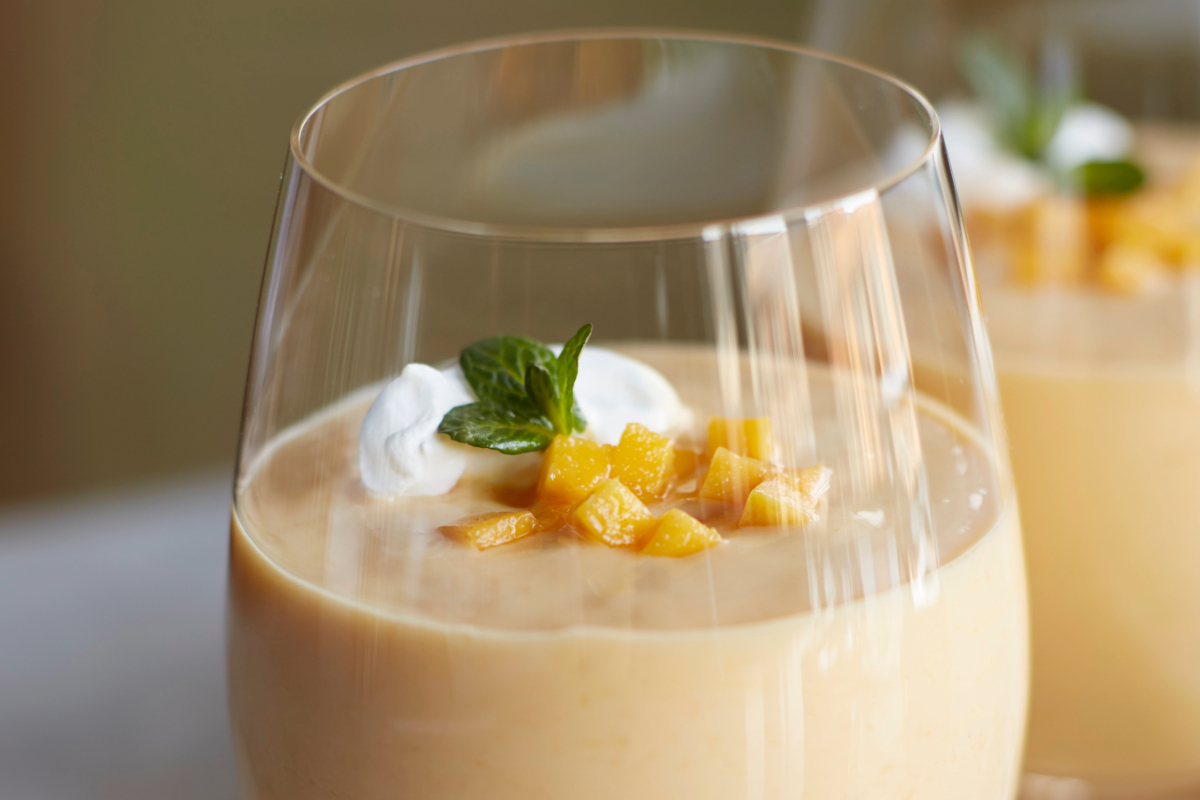
Dairy has become an under-the-radar ingredient in beverage programs as consumers demand clean-label ingredients and more transparency from operators. Adding whole milk to a latte can deliver 8–12 grams of protein, while yogurt-based smoothies can deliver up to an added 10 grams of protein along with probiotics. Kefir, meanwhile, provides gut-health benefits that consumers are increasingly aware of.
While operators may recognize these benefits, consumer demand for protein can still sound like increased ingredient spend or complex messaging they do not know how to navigate.
“One of the struggles we hear most often is the assumption that functional beverages require specialty protein powders or unfamiliar ingredients leading to menu complexity and added cost,” Cameron says. “But when we walk them through what whole milk, yogurt or kefir actually deliver nutritionally and how clean the label is, the conversation shifts. The challenge is helping operators tell that story confidently. Made with Real California Milk is a statement that guests can understand and trust.”
That simplicity can start with ingredients already in the back of house and familiar beverage formats already on the menu, rather than requiring an entirely new program.
“Start with what’s already in the back of the house. Most operators have whole milk, yogurt and heavy cream on hand. Horchata made with whole milk instead of water adds protein without adding a new item. For coffee programs, a simple protein latte made with extra whole milk or a whole-milk cortado is an effortless add. The principle we always come back to is this: the best high-protein beverage program for most operators isn’t an overhaul, but a smart repositioning of what’s already on the line.”
The decision becomes even simpler when considering potential boosts to operators’ bottom lines. Nearly 40 percent of consumers are willing to pay more for a high-protein meal, according to a Revenue Management Solutions survey. Dairy protein, in particular, stands out because many operators already use dairy in other applications, and its versatility is undeniable as demand continues to increase.
“What makes dairy protein exceptional in foodservice is what it brings beyond the nutrition label: creaminess, flavor and versatility,” Cameron says. “Not only does dairy deliver the protein, but it also foams beautifully for lattes, blends smoothly for smoothies and adds body to cold beverages.”
Beyond its functional performance, dairy’s biggest strength lies in its ability to satisfy the intersecting demands of the modern diner. While many protein sources require a trade-off in taste or texture, dairy allows operators to offer a premium, nutrient-dense product that remains a culinary staple across global traditions and everyday applications. For Cameron, the goal is for restaurants to recognize that the most powerful tool for capturing these emerging market trends is likely already a part of their inventory.
“Dairy has always been the solution for consumers. Dairy supports the protein trend, the clean-label trend, the functional beverage trend and the global flavor trend. And operators do not need to reinvent the wheel. They just need to look at what’s already in their refrigerators with fresh eyes, and build the story around the trends, leveraging the trust that ‘made with Real California Milk’ delivers to consumers.”
As demand for functional, high-protein options continues to grow, operators have an opportunity to use familiar dairy ingredients to meet evolving guest expectations without adding unnecessary complexity. Milk, yogurt, and kefir can help beverage programs deliver protein, flavor, indulgence, and functionality in a format guests already understand and enjoy.
Explore how Real California Milk can transform your beverage menu here.