A year after declaring bankruptcy, plant-based casual concept PLANTA seems to have determined its next direction.
This month, the brand announced that it shuttered two Toronto-based restaurants to focus resources on the U.S., where it said performance remains the strongest. The move effectively ends operations in the city where PLANTA was founded in 2016 and first built its reputation around upscale vegan dining.
“PLANTA began in Toronto nearly 10 years ago with a simple belief: plant-based dining could be vibrant, craveable, community-driven, and worthy of celebration. What started here grew into something far bigger than we ever imagined, and we are incredibly grateful to every guest who supported us along the way,” the restaurant said on its website.
“This journey has also come with operational and financial challenges. Despite every effort to continue forward in Toronto, our Yorkville and Queen West restaurants ultimately reached a point where it was no longer financially feasible to sustain operations and officially closed as of May 19, 2026,” the company added in its statement.
The chain has five locations across New York, Los Angeles, Chicago, Washington, D.C., and Bethesda, Maryland. It had close to 20 restaurants in operation when it declared bankruptcy in May 2025.
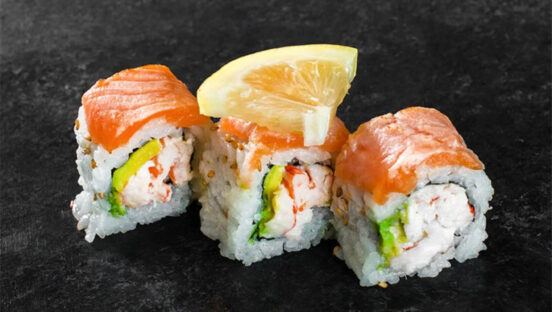
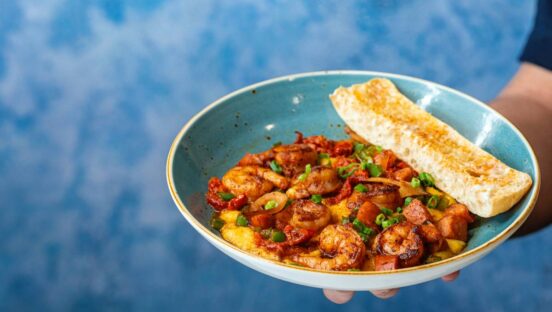
PLANTA offers a diverse, globally inspired menu in which guests can order everything from chick’n fried mushroom bao buns and bang bang broccoli to sushi rolls built around ahi watermelon, carrot salmon, tempura broccoli, and hearts of palm crab, alongside premium touches like caviar-topped crispy potatoes, miso truffle glazes, and torched avocado rolls.
A year ago, PLANTA said it wanted to restructure its balance sheet and pursue a sale of most of its assets after years of operational and financial strain. Court documents described a business that expanded aggressively just before the pandemic reshaped the restaurant industry.
Months before COVID hit, PLANTA secured financing to accelerate development. But when shutdowns halted indoor dining, construction timelines stalled, supply chains fractured, and hiring became increasingly difficult. Additionally, the company remained tied to signed leases and development commitments that continued generating costs despite the slowdown in revenue growth.
The filings said the company became trapped in a cycle of mounting expenses and short-term financing needs as it attempted to continue expanding.
PLANTA still pushed ahead with development after the pandemic, opening 12 restaurants across a three-year stretch. The chain ultimately grew annual sales from roughly $3.5 million in its first year to more than $46 million in 2024. But industry conditions continued worsening. Inflation and softer discretionary spending pressured traffic in late 2023 and early 2024, according to court documents, while labor and commodity costs climbed. PLANTA responded with menu price increases, which the company acknowledged further weighed on guest traffic.
To manage liquidity pressures, the brand entered into a convertible note agreement that provided short-term capital. As repayment deadlines approached, the company spent months searching for additional financing and negotiating with landlords over underperforming stores and lease exits.
Those efforts ultimately failed to stabilize the business.
By early 2025, PLANTA had fallen behind on landlord payments, a situation exacerbated by the restaurant industry’s typical seasonal slowdown early in the year. Although the chain saw improving cash flow, leadership concluded the business could no longer sustain operations while meeting existing obligations. The company hired restructuring counsel in April 2025, and its board approved the bankruptcy filing soon afterward.