You understand the importance of keeping a restaurant clean and sanitary. You have seen in the news how outbreaks of foodborne illness cause dozens or even more to get sick and often ruin a restaurant’s reputation. Getting everyone to follow the rules to maintain food safety is harder than simply understanding. The entire food service team must work together to ensure that food prep, cooking, and serving stations are ready for activity, as well as the areas that customers enter.
Little slip-ups can lead to serious problems, and it doesn’t take long for things to spiral out of control. Follow this restaurant risk escalation scale to see what happens if you aren’t proactive about cleanliness.
Early Issues
Sticky counters and floors
Sticky counters, tables, and floors are more than just inconvenient and gross to customers. They indicate a more serious problem in its early stages. Surfaces should receive regular thorough cleaning, with spot cleaning throughout the day. When those surfaces get sticky, it’s an indicator that they are not sanitary and may not be receiving sufficient cleaning. Over time, sticky or dirty counters and floors can contaminate food or attract pests from outside the restaurant.
Restroom odors
Mild restroom odors are part of food service, especially if you have a bathroom for customers. Occasional bad smells can be normal, even if they are off-putting to customers. Persistent odors, on the other hand, reflect a lack of maintenance. Toilets and sinks can produce foul smells because of clogged drains or even sewer backup. These issues need prompt attention because they can cause leaks or overflow, which create much bigger problems for sanitation and food safety.
Cleaning supply stocking failures
Employees should be responsible for ensuring that the entire restaurant is clean and sanitary, but they need sufficient cleaning supplies to achieve it. Cleaning failures often start with a lack of soap and paper towels in the restrooms. When restaurant staff use the restroom, they need to be able to wash and dry their hands for proper sanitation. If these and other restroom cleaning products keep running low (or completely out), employees may ration supplies or skimp on cleaning.
Moderate Concerns
Persistent clogged drains
Drain clogs are another fact of life for a restaurant, and one that needs quick attention. Minor clogs may not cause the drain to stop entirely, but they slow elimination of waste and encourage microbial growth. Major clogs can send dirty water and waste erupting out of the drain. Persistent drain clogs indicate that the clog is deeper and may require a professional plumber to address.
Mold growth
When you have standing water, such as a stopped sink drain that never fully empties, you risk mold growth. Mold and mildew thrive in dark, moist places. As they accumulate, they create offensive, musty odors. Over time, they can cause respiratory symptoms in the people who spend time in the building. The presence of visible mold usually reflects a more severe problem elsewhere, like a leak from a clogged drain that causes mold growth under the counters. Mold mitigation can be complicated and expensive to remediate, so it is better to prevent its accumulation in the first place.
Grease buildup
Grease buildup indicates a lack of cleaning, but the risks only increase from there. Grease is highly flammable, which can be dangerous when the greasy surfaces are near cooking equipment. Reducing the risk of a kitchen fire is well worth the time and effort to clean counters, stoves, and range hoods.
Grease is also sticky, which means it can attract dirt and pests. Over time, greasy floors become outright dirty and harder to clean properly.
Severe Risks
Visible signs of pests
By the time you actually see a pest, it has likely been living in the area for some time. Insects and rodents may leave droppings that contaminate food and surfaces, but they also leave urine and saliva that are more difficult to see. Usually, the presence of pest droppings or footprints indicates that the problem is already spiraling out of control. There are a number of possible health code violations that lead to this point, but an active and visible pest infestation may trigger the health department to temporarily shut down service.
Cross-contamination
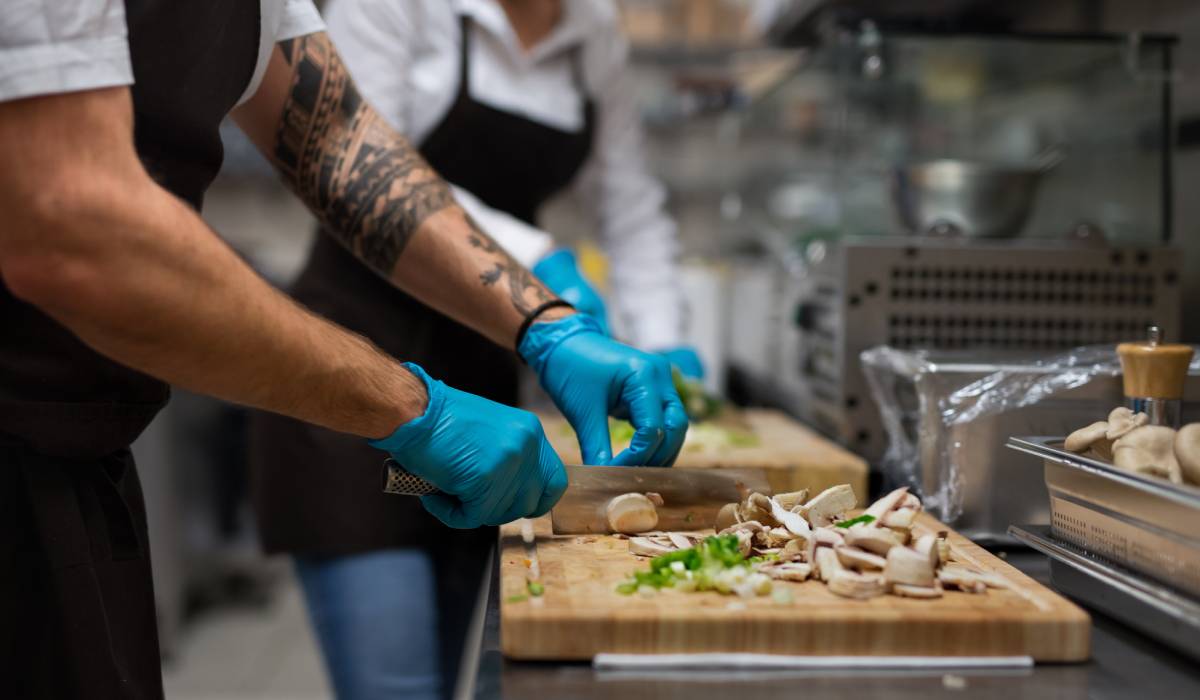
A breakdown in sanitation practices can lead to cross-contamination. Food must be prepared in a certain order to avoid contaminating foods served raw with foods that must be cooked, like meat. When cleaning processes deteriorate, the entire kitchen becomes a minefield. Employees who do not have the tools and support to keep the areas clean may cut corners, like using the same cutting board to prepare different kinds of raw meat. These types of cross-contamination can contribute to the spread of illnesses like salmonella.
Outbreaks of foodborne illness
All of these failures can eventually culminate in foodborne illness outbreaks. The World Health Organization estimates that more than 1.5 million people die each year from consuming contaminated food. Foodborne illnesses like E. coli or norovirus can cause severe symptoms for restaurant staff and patrons.
Managing health and safety in a restaurant can seem straightforward, but it requires a lot of moving parts. When any of these parts fail, the entire system can fall into chaos. By paying attention to these risks and taking action to prevent them, you can reduce your restaurant’s risk of spreading foodborne illness, pest infestations, and other hazards.
Michael Bruckler is Vice President of Sales and Marketing at Enviro-Master, which offers a variety of Gold Standard, cost-effective commercial cleaning services to every industry. Bruckler is a results-driven leader with 15+ years of experience in sales and operations. At Enviro-Master, he leads strategic initiatives to enhance efficiency, team performance, and business growth.